Press "Enter" to skip to content

Longevity Ingredient

The Longevity Killer Hiding in Your Pantry: Why Ditching Ultraprocessed Foods Should Be Your Next Resolution

How to recognise an ultra-processed product?

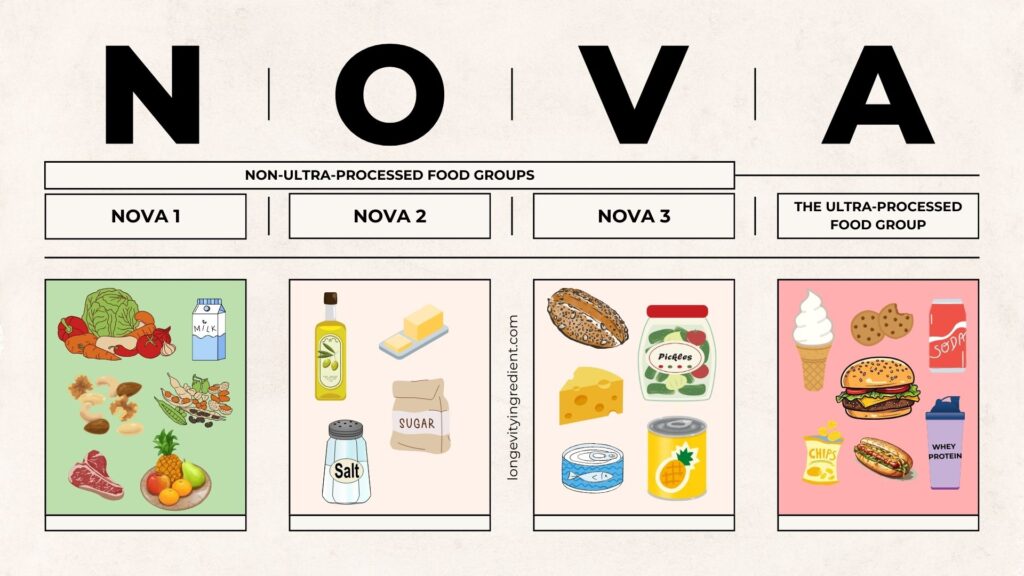
To identify ultra-processed products, let’s look at the NOVA classification system.

This classification divides foods into four groups based on the extent and purpose of industrial processing. A product’s classification depends on the physical, biological, and chemical methods used during manufacturing—including the addition of additives (Monterio et al., 2019).

Group 1 contains unprocessed or minimally processed foods—the edible parts of plants or animals taken directly from nature or minimally modified. Minimal processing includes removing inedible or unwanted parts, drying, crushing, grinding, fractioning, filtering, roasting, boiling, non-alcoholic fermentation, pasteurisation, refrigeration, chilling, freezing, placing in containers, and vacuum packaging. Examples include vegetables (e.g., vacuum-packed pre-boiled beetroot), fruit, nuts, milk, and fresh meat.

Group 2 contains processed culinary ingredients such as salt, sugar, oils, butter, or starch, produced from Group 1 foods. The processes include pressing, refining, centrifuging, milling, extracting, and drying. These ingredients are rarely or never consumed alone.

Group 3 contains processed foods made by combining Group 1 and Group 2 foods. This group includes products like freshly baked bread and cheese (made through non-alcoholic fermentation) and foods preserved by canning (e.g., canned fruit in syrup, canned fish) or bottling (e.g., vegetables in brine).

Group 4 contains ultra-processed foods (UPFs). These are no longer simply modified foods—they’re formulations made mostly or entirely from substances derived from foods and additives, with little to no intact Group 1 food. Products in this group typically have very long ingredient lists, are mostly ready-to-eat, highly palatable, and often inexpensive.

Examples include soft drinks, sweetened beverages, processed bread, refined breakfast cereals, confectionery (chocolate, cookies, candy, etc.), pre-packaged sauces, ready-to-heat meals (hot dogs, hamburgers, pizzas, etc.), processed meat products, infant formulas, follow-on milk, and other baby products.

Importantly, all “health” and “slimming” products—such as meal replacement shakes and powders, whey protein, and protein bars—also belong to this group (Fig.1) (Tristan-Asensi et al., 2023; Levy et al., 2024).

Figure 1. Graphical representation of the NOVA classification system: non-ultra-processed food groups (NOVA 1, NOVA 2, NOVA 3) and the ultra-processed food group

What is the impact of ultra-processed foods on health?

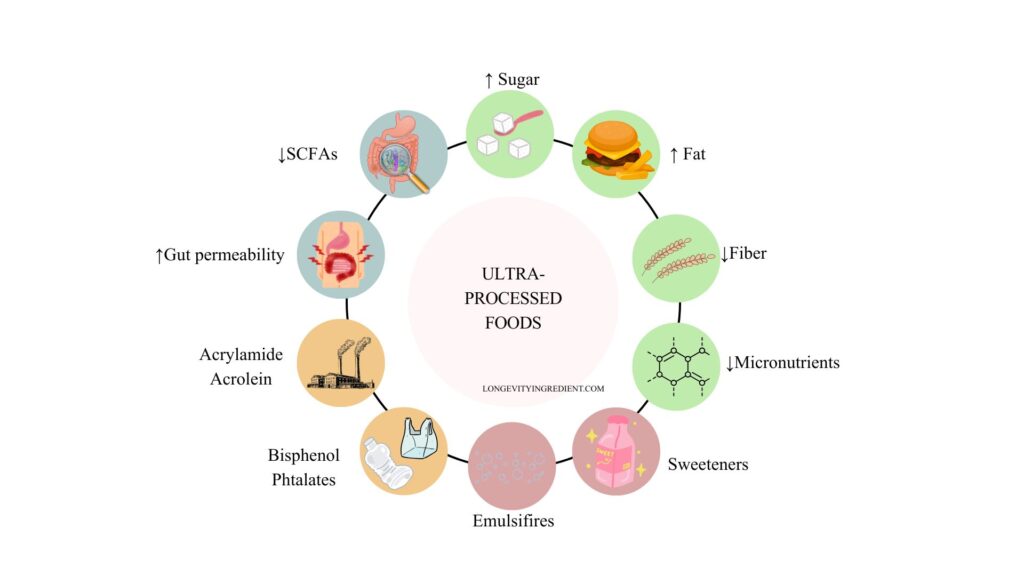
Ultra-processed foods pose serious health risks through multiple interconnected pathways. Nutritionally, they displace whole foods by delivering excess refined carbohydrates, saturated fats, added sugars, and sodium while being deficient in dietary fibre and micronutrients. The processing itself introduces elements such as: food additives like emulsifiers (e.g. carboxymethylcellulose, polysorbate-80), preservatives (e.g. sodium nitrates) and artificial sweeteners. Moreover, packaging leaches plastic molecules such as bisphenols and phthalates. High-heat processing generates toxic compounds, including acrolein and acrylamide (Fig.2). These elements are contributing to oxidative stress and insulin resistance (Tristan Asensi et al., 2023; Zhang et al., 2023).

Together, these factors create hyperpalatable, high-energy dense, potentially addictive foods that drive overconsumption, elevated glycemic response, low satiety, and increase the risk of metabolic dysfunction like obesity, cardiovascular disease, metabolic syndrome, cancer, and premature death (Monterio et al., 2019; Levy et al., 2024).

Ultra-processing destroys the food matrix and phytochemicals (natural chemicals produced by plants). Consuming these foods leads to increased gut permeability and inflammation while reducing the production of beneficial short-chain fatty acids (SCFAs) (Fig.2) (Tristan Asensi et al., 2023; Zhang et al., 2023).

Figure 2. The possible mechanisms underlying the associations between ultra-processed foods and low-grade inflammation. Based on the figure presented in: Tristan Asensi M, Napoletano A, Sofi F, Dinu M. Low-Grade Inflammation and Ultra-Processed Foods Consumption: A Review. Nutrients. 2023 Mar 22;15(6):1546. doi: 10.3390/nu15061546. PMID: 36986276; PMCID: PMC10058108

Key Findings on UPFs and Ageing

Dominguez et al. (2024) found that eating more ultra-processed foods is linked to being more frail.

But what does it mean to be frail?

“Frailty is a complex, age-related clinical condition that involves multiple contributing factors and raises the risk of adverse outcomes in older people.” (Dilma et al., 2024)

The researchers used the NOVA classification system to measure this. People who got more of their energy from UPFs had 1.02–3.22 times higher odds of frailty, even after accounting for confounders (variables that affect both the exposure and outcome, distorting their perceived relationship and potentially causing bias). Studies that followed people over time showed that getting 10–11% of your energy from UPFs over 3–3.5 years doubled the chance of frailty (Dominguez et al, 2024).

In 2025, Li et al. conducted a large study, called the Singapore Chinese Health Study, which involved 13,570 participants. They looked at UPF consumption in middle age and grip strength in old age. They found that people who ate more UPFs in middle age had weaker grip strength later in life, even when they accounted for overall diet quality. They measured grip strength with a device called a dynamometer and adjusted the results for age, lifestyle, health conditions, and diet quality.

Main results showed that people who ate the most UPFs had weaker grip strength: -0.411 kg compared to those who ate the least. When adjusted for height, it was -0.229 kg/m. The odds of having weak muscles were 1.32 times higher.

The researchers who conducted this study recommend eating fewer ultra-processed foods to help maintain muscle health as we age (Li et al., 2025).

But how about all of these ultra-processed healthy snacks?

There’s an important aspect of ultra-processed foods we need to consider: many of them fall under the category of “healthy snacks.” What about whey protein with low-calorie sweeteners, protein bars, and high-protein yoghurts with sweeteners?

Valicente and others (2023) asked a similar question in their article Ultraprocessed Foods and Obesity Risk: A Critical Review of Reported Mechanisms and made a compelling case. They reviewed mechanisms involving glycemic index, added sugars, fats, salt, low fibre, high energy density, and low-calorie sweeteners. In each case, the evidence does not support a special obesity-causing role for UPFs as a class. For example, high- versus low-GI diets, higher versus lower fat diets, higher fibre intake, and higher versus lower energy density show small or inconsistent effects on body weight. Meanwhile, low-calorie sweeteners—used as a UPF criterion—tend to modestly favour weight control when they replace sugar.

They note that “the claims about processing were stretched because the issue became more about formulation than processing, yet the claims did not evolve in step.” Importantly, the review showed that “UPF intake is neither sufficient nor necessary for weight gain and current effect sizes are modest.” And of course, it makes a lot of sense – you still need to eat more calories than you use during the day. This fundamental rule stays the same.

Valicente et al. make an interesting point about how UPFs provide food safety through long shelf life and deliver many nutrients, as these products are often enriched with vitamins and minerals. In fact, processed foods provide 50-91% of nutrients in European countries.

Here’s where the story takes a troubling turn: processed foods have become much cheaper than unprocessed foods in many countries. This leaves many people with no real choice. For the majority of society, regardless of income level, the cheaper option is simply more appealing. Only a very specific group of people will decide on food purely based on health benefits, regardless of the sometimes higher price.

This brings me to my own reflection: nothing is really black and white—not in nutrition, not in science in general. I agree that it seems unfair to put all ultra-processed foods in one basket and ask people not to consume them at all, when they represent the majority of foods available on the market.

The review’s overall conclusion: UPF intake is associated with higher BMI, but the NOVA-based claim that processing itself drives obesity is not backed by strong mechanistic evidence. Given potential downsides of blanket UPF avoidance—nutrient shortfalls, higher cost, lower food safety, more waste—the authors argue that policy should not rely on NOVA-style processing classifications alone. Instead, traditional principles of moderation, balance, and variety remain better supported by current science (Valicente et al., 2023).

A case study of a few different healthy snacks from my pantry

I’m committed to avoiding sugar as much as possible in my daily life. Since I don’t eat many sweet things, when I crave something sweet, a piece of fruit or a homemade date-based snack easily satisfies me.

Nevertheless, I’m fascinated by the market for “healthy” snacks. I’m passionate about reading ingredient lists and trying products that seem innovative or minimally processed.

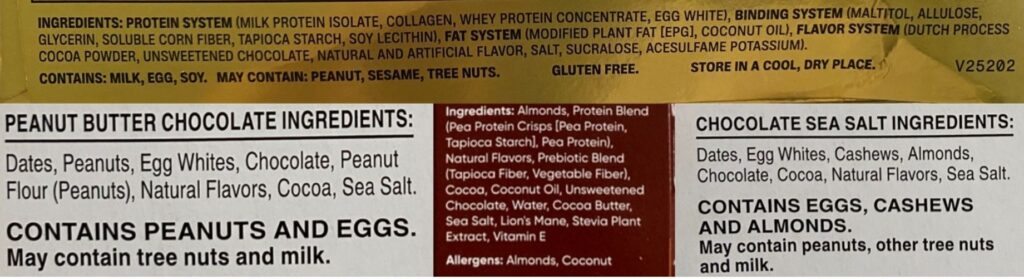
Close-up of the ingredients in protein bars from my pantry. These bars are only available in the American market. Similar products are popular in Europe, but for language reasons, I’ve only included English-labelled products here.

Lower-protein diets are less satiating and promote greater energy intake to meet protein needs, resulting in higher BMI. In contrast, high-protein diets supply protein needs with less energy and are associated with lower BMI. The strong satiety effects of higher protein intake are most consistently observed in solid foods. Therefore, high-protein energy bars—classified as UPFs—should theoretically benefit weight management. This contradicts the claim that UPF intake as a food class is problematic for weight management. However, most of these products are sugar-free and contain sweeteners, which aligns with evidence that low-calorie sweeteners tend to favour weight control modestly (Valicente et al., 2023).

Final thoughts

The evidence suggests we should generally minimise ultra-processed foods in our diet. However, the story isn’t quite so simple—there are shades of grey worth acknowledging.

Not all ultra-processed foods are created equal. An industrial pizza or hamburger shouldn’t be placed in the same category as a low-calorie, high-protein bar rich in fibre and amino acids. While it would be ideal to meet all our protein and fibre needs from whole, unprocessed foods, certain UPFs may serve a legitimate purpose.

The fundamental challenge with ultra-processed foods lies in the uncertainty: they contain numerous ingredients and additives whose long-term health impacts remain unclear. This is precisely why, as a precautionary approach, prioritising fresh, ultra-nutritious, home-cooked meals whenever possible makes sense for long-term health.

That said, I believe certain highly specific types of ultra-processed foods—particularly those that are low in sugar, high in protein, and nutrient-dense—don’t deserve to be heavily criticised or eliminated from the diet entirely. The key is discernment: understanding that while UPFs as a broad category warrant caution, there are exceptions that can support specific health goals without compromising overall well-being.

Reference

Monteiro CA, Cannon G, Levy RB, Moubarac JC, Louzada ML, Rauber F, Khandpur N, Cediel G, Neri D, Martinez-Steele E, Baraldi LG, Jaime PC. Ultra-processed foods: what they are and how to identify them. Public Health Nutr. 2019 Apr;22(5):936-941. doi: 10.1017/S1368980018003762. Epub 2019 Feb 12. PMID: 30744710; PMCID: PMC10260459.

Tristan Asensi M, Napoletano A, Sofi F, Dinu M. Low-Grade Inflammation and Ultra-Processed Foods Consumption: A Review. Nutrients. 2023 Mar 22;15(6):1546. doi: 10.3390/nu15061546. PMID: 36986276; PMCID: PMC10058108.

Levy RB, Barata MF, Leite MA, Andrade GC. How and why ultra-processed foods harm human health. Proc Nutr Soc. 2024 Feb;83(1):1-8. doi: 10.1017/S0029665123003567. Epub 2023 Jul 10. PMID: 37424296.

Zhang Y, Giovannucci EL. Ultra-processed foods and health: a comprehensive review. Crit Rev Food Sci Nutr. 2023;63(31):10836-10848. doi: 10.1080/10408398.2022.2084359. Epub 2022 Jun 6. PMID: 35658669.

Valicente VM, Peng CH, Pacheco KN, Lin L, Kielb EI, Dawoodani E, Abdollahi A, Mattes RD. Ultraprocessed Foods and Obesity Risk: A Critical Review of Reported Mechanisms. Adv Nutr. 2023 Jul;14(4):718-738. doi: 10.1016/j.advnut.2023.04.006. Epub 2023 Apr 18. PMID: 37080461; PMCID: PMC10334162.

Dlima SD, Hall A, Aminu AQ, Akpan A, Todd C, Vardy ERLC. Frailty: a global health challenge in need of local action. BMJ Global Health. 2024;9:e015173. https://doi.org/10.1136/bmjgh-2024-015173

Szumilas M. Explaining odds ratios. J Can Acad Child Adolesc Psychiatry. 2010 Aug;19(3):227-9. Erratum in: J Can Acad Child Adolesc Psychiatry. 2015 Winter;24(1):58. PMID: 20842279; PMCID: PMC2938757.

Li Y, Chua KY, Pan A, Koh WP. Association between consumption of ultra-processed food at midlife and handgrip strength at late life: The Singapore Chinese Health Study. J Nutr Health Aging. 2025 Sep;29(9):100634. doi: 10.1016/j.jnha.2025.100634. Epub 2025 Jul 18. PMID: 40683211; PMCID: PMC12378926.

Does Collagen Actually Work? Here’s What Research Shows

Collagen: Structure and Types

Collagen is the most abundant protein in the body, making up one-third of total protein content in mammals (Tarnutzer et al., 2023). It plays a crucial role in connecting biological structures and serves as the main structural protein in skin, tendons, and bone (Wang, 2021).

The human body contains around 28 different types of collagen (Shahrajabian et al., 2024). Types I, II, and III are the three main types used in supplements.

Collagen type I makes up 90% of the body’s collagen and is the main component of teeth, bone, skin, tendons, blood vessels, lungs, and heart. It’s primarily found in marine collagen supplements.

Collagen type II is abundant in cartilage and is linked to diseases such as skeletal dysplasias, rheumatoid arthritis, and osteoarthritis. It’s derived from chicken and bovine sources (Wang 2021).

Collagen type III is the second most abundant collagen. It’s widely distributed in connective tissues, including the vascular system and internal organs, and plays important roles in cardiovascular development and wound healing (Sun et al., 2025).

Both collagen I and III are significant in fibroblast activation. A mixture of these two types can be obtained from porcine and bovine sources (Sun et al., 2025; Wang, 2021).

Collagen Supplements for Skin: Examining the Anti-Ageing Claims

A 12-week randomised, placebo-controlled study of 72 women aged 35+ showed that daily supplementation with collagen peptides (2.5g) combined with vitamin C, zinc, and biotin significantly improved skin hydration, elasticity, roughness, and density compared to placebo. These benefits were sustained for 4 weeks after stopping supplementation, with no adverse effects reported. It’s important to note that the authors of this study were working on a drinkable nutraceutical called ELASTEN®. The authors declared no conflict of interest. “The sponsor had no influence on execution, analysis and interpretation of the data.” (Bolke et al., 2019). Nevertheless, the study states that it was funded by Quiris Healthcare (Germany), a company which markets this particular supplement.

Another study – this time 12-week randomized, double-blind, placebo-controlled study of 64 participants found that daily supplementation with 1000 mg of low-molecular-weight collagen peptide significantly improved: skin hydration (significantly higher after 6 and 12 weeks compared to placebo), wrinkles (visual scores and three wrinkling parameters significantly improved after 12 weeks), skin elasticity – two out of three parameters significantly higher than placebo after 12 weeks. The supplement was well-tolerated with no adverse effects reported during the study. And once again, authors declared no conflict of interest and no external funding, meaning that the authors claim they did not receive a separate research grant (e.g. from government or independent bodies) to perform the trial (Kim et al., 2019). However, the material tested — the collagen peptide — was provided by a private company (Newtree). Supplying the investigational product counts as a kind of support, even if defined as “no external funding.”The authors declare “no conflicts,” but affiliation with the supplier of the product can still represent a potential source of bias.

And one more study that I wanted to mention is a 12-week randomised, triple-blind, placebo-controlled, parallel study on women aged 45-60. That study have found that hydrolyzed marine collagen marketed as Vinh Wellness Collagen (VWC), which is produced by Vinh Hoan Corporation, supplementation led to: 35% reduction in wrinkle score after 12 weeks, 24% greater wrinkle reduction compared to placebo, 20-10% improvement in cheek skin elasticity for women aged 45-54, self-reported improvements in overall skin score (9%), wrinkles (15%), elasticity (23%), hydration (14%), radiance (22%), and firmness (25%). The supplement was safe and well-tolerated with no adverse effects (Evans et al., 2021). The authors do not appear to declare a “no conflict of interest” statement: the publicly available funding information clearly indicates Vinh Hoan Corporation supported the study.

In September 2025, a meta-analysis on Effects of Collagen Supplements on Skin Ageing: A Systematic Review and Meta-Analysis of Randomised Controlled Trials was published in The American Journal of Medicine. This meta-analysis examined 23 randomised controlled trials and found that collagen supplements appeared to improve skin hydration, elasticity, and wrinkles overall. However, studies without pharmaceutical company funding showed no significant effects. High-quality studies revealed no significant improvements, while low-quality studies showed some benefits. The researchers concluded there is currently no clinical evidence to support using collagen supplements to prevent or treat skin ageing (Myung et al., 2025).

Effects of Collagen on Joint and Bone Health

When I was growing up, I heard a lot about the benefits of gelatin for joint health. When I had a bone injury, everyone recommended eating extra jelly or even taking supplements. And yes, many studies have been done in that area.

Arguments presented in Review of the Effects of Collagen Treatment in Clinical Studies (Wang, 2021) in favour of collagen supplementation for joints and bones:

  • Sarcopenia management: Collagen supplements are effective in improving symptoms of sarcopenia (age-related muscle loss). Lifestyle interventions, including nutritional supplements like collagen, can help manage this condition.
  • Osteoarthritis treatment: Collagen is a good treatment candidate for osteoarthritis due to its safety and clinical evidence. Both collagen hydrolysates and native collagen are effective in reducing osteoarthritis pain in animal models and human clinical trials.
  • Wound healing and injury recovery: Oral collagen administration is an efficient treatment for wound healing, making it valuable for those who have suffered from fractures and contusions caused by accidents.
  • Addresses age-related decline: Ageing leads to loss of muscle and bone mass, causing conditions like sarcopenia, osteopenia, and osteoporosis. Early diagnosis and lifestyle interventions, including collagen supplementation, can improve patient prognosis.

Understanding Collagen Breakdown and Synthesis

About four years ago, my biochemistry professor prepared a presentation concerning the different types of collagen available commercially at that time. Believe it or not, back then, collagen was mostly considered a supplement for reinforcing bones and joints, and wasn’t known so much because of the oral supplementation’s impact on skin.

Obviously, new studies have been conducted since then. We have more evidence and more advanced technologies to detect the impact of substances on our physiology.

Nevertheless, what my professor told us four years ago is still accurate and was basically this:

When you consume collagen (e.g., in powder or capsules), it does not reach the skin, joints, or cartilage intact.

In the digestive tract, collagen is broken down by digestive enzymes into:

  • amino acids (90%) (glycine, proline, hydroxyproline, hydroxylysine) and many more
  • collagen peptides (10%) (short protein fragments).

These molecules are absorbed into the bloodstream, and the body uses them in the same way as amino acids from other protein sources—there is no “memory” that they came from collagen.

Collagen synthesis:

For the body to produce collagen itself, the following are needed: appropriate amino acids (glycine, proline, lysine), hydroxylating enzymes (proline and lysine hydroxylase), vitamin C as a cofactor, and other factors (e.g., manganese, iron, copper).

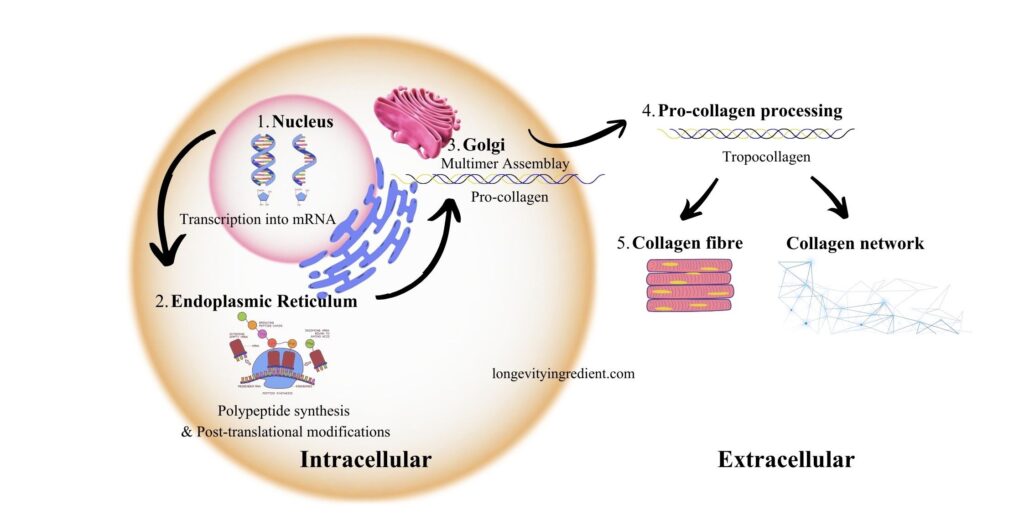
Intracellular Process: Inside the cell, genes are transcribed into mRNA, which is then translated by ribosomes to produce pre-pro-polypeptide chains. In the endoplasmic reticulum (ER), these chains undergo several modifications: the signal peptide is removed, proline and lysine residues are hydroxylated (a process that requires vitamin C), and glycosylation occurs. Three of these modified chains then twist together to form a triple helix structure called pro-collagen. The pro-collagen molecule moves to the Golgi apparatus and is subsequently secreted outside the cell.

Extracellular Process: Once outside the cell, peptidases cleave the terminal ends of pro-collagen to form tropocollagen. Finally, lysyl oxidase creates cross-links between tropocollagen molecules, resulting in the formation of collagen fibrils (Fig.1) (Wu et al., 2023).

Collagen synthesis: intracellular & extracellular. Based on a figure featured in: Alcaide-Ruggiero, Lourdes & Molina Hernandez, Veronica & Granados, Mauro & Dominguez Perez, Juan. (2021). Main and Minor Types of Collagens in the Articular Cartilage: The Role of Collagens in Repair Tissue Evaluation in Chondral Defects. International Journal of Molecular Sciences. 22. 13329. 10.3390/ijms222413329.

It’s very important to note that collagen supplements do not “deliver collagen” to tissues, but at most provide the amino acids needed for its synthesis.

Why Collagen Supplements Might Work: The Signalling Hypothesis

The most plausible explanation for the positive effects shown in studies is:

  • Small collagen peptides (such as Pro-Hyp) may act as a signal to fibroblasts, stimulating the production of endogenous collagen (as an indirect effect).

Pro-Hyp, one of the major food-derived collagen peptides, enhances the growth of fibroblasts and synthesis of hyaluronic acid. These observations partially explain the beneficial effects of collagen hydrolysate ingestion on the enhancement of wound healing and improvement in the skin condition. The recent advancement involving liquid chromatography and mass spectrometry coupled with a pre-column derivatisation technique has enabled the identification of food-derived peptides at nanomolar levels in the body post-ingestion of protein hydrolysates (Sato 2017).

The evidence for this mechanism is still limited and inconclusive.

Making an Informed Decision About Collagen Supplementation

With all of this in mind, there is currently no way to confirm whether collagen supplements work as we hope they do. More studies are needed to establish this conclusively.

Meanwhile, is it worth it? Everyone has to answer that question for themselves.

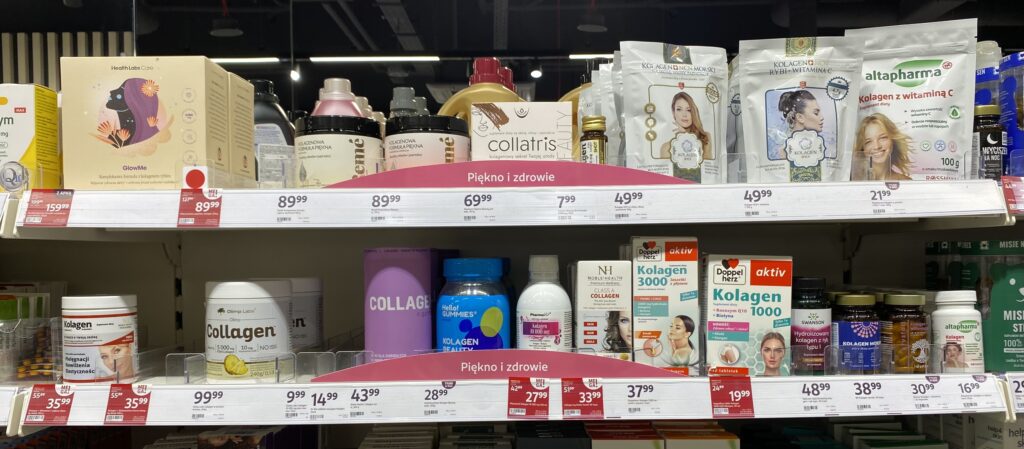
If your answer is yes, consider a proper dosage. Don’t waste money on collagen supplements with minimal collagen content. A 2023 meta-analysis by Pu et al. found that studies claiming beneficial effects used dosages of 2.5–10g of hydrolysed collagen or 2.5–3g of collagen peptides daily (Pu et al., 2023). When choosing supplements, look for products with dosages in this range.

Collagen supplements selection in a Polish store (Rossmann) in December 2025

What to Know About Collagen Supplement Safety

Some people may have allergic reactions to collagen supplements. For example, those with shellfish allergies could experience anaphylaxis from marine collagen. Other collagen sources may also pose allergy risks.

Animal-derived collagen carries the risk of disease transmission. Porcine and bovine collagen may transmit illnesses such as bovine spongiform encephalopathy (BSE). For this reason, marine alternatives could be a safer option (Wang 2021).

Overall, the risks are moderate and quite low for marine collagen.

The advantages? They’re certainly potential, but let’s not think of collagen as a miracle solution for skin anti-ageing. What worries me deeply is the observation is that the most significant effects come mainly from studies funded by pharmaceutical companies (Myung et al., 2025).

Final Thoughts

If you’re convinced about taking collagen supplements, go ahead—there will most likely be no harm. At the end of the day, it’s some extra protein. If you have doubts, I understand. Either way, let’s wait for more research, especially independent studies, and stay open-minded.

References

Tarnutzer, K., Siva Sankar, D., Dengjel, J. et al. Collagen constitutes about 12% in females and 17% in males of the total protein in mice. Sci Rep 13, 4490 (2023). https://doi.org/10.1038/s41598-023-31566-z

Wang H. A Review of the Effects of Collagen Treatment in Clinical Studies. Polymers (Basel). 2021 Nov 9;13(22):3868. doi: 10.3390/polym13223868. PMID: 34833168; PMCID: PMC8620403.

Shahrajabian MH, Sun W. Mechanism of Action of Collagen and Epidermal Growth Factor: A Review on Theory and Research Methods. Mini Rev Med Chem. 2024;24(4):453-477. doi: 10.2174/1389557523666230816090054. PMID: 37587815.

Sun, W.; Shahrajabian, M.H.; Ma, K.; Wang, S. Advances in Molecular Function and Recombinant Expression of Human Collagen. Pharmaceuticals 2025, 18, 430. https://doi.org/10.3390/ph18030430

Bolke L, Schlippe G, Gerß J, Voss W. A Collagen Supplement Improves Skin Hydration, Elasticity, Roughness, and Density: Results of a Randomized, Placebo-Controlled, Blind Study. Nutrients. 2019 Oct 17;11(10):2494. doi: 10.3390/nu11102494. PMID: 31627309; PMCID: PMC6835901.

Kim DU, Chung HC, Choi J, Sakai Y, Lee BY. Oral Intake of Low-Molecular-Weight Collagen Peptide Improves Hydration, Elasticity, and Wrinkling in Human Skin: A Randomized, Double-Blind, Placebo-Controlled Study. Nutrients. 2018 Jun 26;10(7):826. doi: 10.3390/nu10070826. PMID: 29949889; PMCID: PMC6073484.

Evans M, Lewis ED, Zakaria N, Pelipyagina T, Guthrie N. A randomized, triple-blind, placebocontrolled, parallel study to evaluate the efficacy of a freshwater marine collagen on skin wrinkles and elasticity. J Cosmet Dermatol. 2021;20:825–834. https://doi.org/10.1111/jocd.13676

Seung-Kwon Myung, Yunseo Park, Effects of Collagen Supplements on Skin Aging: A Systematic Review and Meta-Analysis of Randomized Controlled Trials, The American Journal of Medicine, Volume 138, Issue 9, 2025, Pages 1264-1277, ISSN 0002-9343, https://doi.org/10.1016/j.amjmed.2025.04.034.

Sato K. The presence of food-derived collagen peptides in human body-structure and biological activity. Food Funct. 2017 Dec 13;8(12):4325-4330. doi: 10.1039/c7fo01275f. PMID: 29114654.

Pu SY, Huang YL, Pu CM, Kang YN, Hoang KD, Chen KH, Chen C. Effects of Oral Collagen for Skin Anti-Aging: A Systematic Review and Meta-Analysis. Nutrients. 2023 Apr 26;15(9):2080. doi: 10.3390/nu15092080. PMID: 37432180; PMCID: PMC10180699.

Wu M, Cronin K, Crane JS. Biochemistry, Collagen Synthesis. [Updated 2023 Sep 4]. In: StatPearls [Internet]. Treasure Island (FL): StatPearls Publishing; 2025 Jan-. Available from: https://www.ncbi.nlm.nih.gov/books/NBK507709/

Alcaide-Ruggiero, Lourdes & Molina Hernandez, Veronica & Granados, Mauro & Dominguez Perez, Juan. (2021). Main and Minor Types of Collagens in the Articular Cartilage: The Role of Collagens in Repair Tissue Evaluation in Chondral Defects. International Journal of Molecular Sciences. 22. 13329. 10.3390/ijms222413329.

Is Calorie Restriction One of the Most Effective Anti-Ageing Methods?

Highlights:

  • CR improves cardiometabolic health markers: Well-designed studies like CALERIE 2 demonstrate that even healthy, non-obese adults can experience meaningful improvements in cardiovascular risk factors, insulin sensitivity, inflammation, and body composition through moderate calorie restriction (10–25%).

  • A modest, nutrient-dense approach appears safe: For healthy adults, a moderate calorie reduction (10–25%) combined with a highly nutritious diet—inspired by traditional Okinawan eating patterns—offers low risk and potentially significant health benefits. The key is adequate nutrition: restriction without malnutrition.

  • Optimal BMI shifts with age: The traditional “healthy” BMI range (18.5–24.9) may not apply uniformly across the lifespan. For older adults (≥65 years), BMIs in the 24–30 range are associated with lower mortality, challenging the assumption that lower is always better.

What We Mean by “Calorie Restriction”

  • Common human-trial definition (aligned with National Institutes of Health guidelines): sustained energy intake below pre-intervention requirements with adequate nutrition. This initially causes weight loss, then metabolic adaptation and a stable lower body weight (Most & Redman, 2020).
  • Flanagan et al. (2020) define calorie restriction (CR) as reducing intake below energy requirements while maintaining optimal nutrition. Diets ranging from 10–30% CR have shown beneficial effects on ageing biomarkers and healthspan in animals and humans.
  • Alternative framing: intake well below ad libitum consumption—typically ≥10% in humans and ≥20% in animals (Bales & Kraus, 2013).

Protocols, baselines, and adherence tracking differ between studies, so “CR” means different things across papers.

Practical constraints matter. Severe CR ( ≥40%) can put patients at risk of adverse physical and psychological effects (Flanagan et al., 2020). Achieving adequate nutrition alongside CR can be challenging in practice without professional guidance.

Who Should Avoid CR?

Underweight individuals, those with a history of eating disorders, and patients with sensitive medical conditions (such as during active cancer therapy) should avoid calorie restriction. It is generally contraindicated due to risks of undernutrition and interference with treatment.

Who Can Benefit from CR?

  • Overweight and obese individuals clearly benefit from energy restriction. For this group, it may be the most effective intervention to improve cardiometabolic risk and extend healthspan, assuming no contraindications.
  • CR is a cornerstone of secondary prevention for cardiovascular disease, with well-established benefits for mortality, hospital readmission, functional capacity, and quality of life (Mueller & Kim, 2025).
  • Weight loss can produce remission of type 2 diabetes in a dose-dependent manner. A weight loss of ~15 kg through calorie restriction as part of an intensive management program can lead to remission in ~80% of patients with obesity and type 2 diabetes (Magkos et al., 2020).

But the key question here is: can a healthy person with normal body weight (BMI 18.5–24.99 kg/m²) benefit from calorie restriction in terms of longevity? Can CR extend healthspan (defined as “the part of a person’s life during which they are generally in good health”)?

BMI and Age: Rethinking Optimal Weight for Longevity

Before answering that question, we need to examine how we define normal body weight—and what problems might exist concerning that definition.

The WHO defines a healthy BMI range for adults as 18.5–24.9 kg/m², primarily based on a reduced mortality risk in younger populations. However, this standard may not apply uniformly across all age groups.

Research in older adults paints a more complex picture. Winter et al. (2014) found that for adults aged 65 and older, the relationship between BMI and all-cause mortality is U-shaped, with the lowest mortality risk occurring at BMIs between 24.0 and 30.9—considerably higher than the traditional “healthy” range (Winter et al., 2014).

This finding is what Sorkin (2014) describes as “the slaying of a beautiful hypothesis by an ugly fact.” The widely held belief that lower BMI always predicts better longevity has been challenged by robust epidemiological evidence showing that optimal BMI varies substantially with age.

Key insights from this editorial include:

  • The BMI-mortality relationship is U-shaped, not linear. Both low and high BMI are associated with increased mortality, with minimal risk typically occurring at BMIs of 26–29 in older adults—substantially higher than the conventional recommendation of around 21.
  • Optimal BMI shifts upward with age. In adults ≥65 years, BMIs in the overweight or mildly obese range are often associated with lower mortality compared to the “normal” BMI range, contradicting the hypothesis that lower BMI universally promotes longevity.
  • Earlier studies advocating low BMI often failed to adequately control for confounding factors such as smoking, preexisting illness, or reverse causation (where illness causes weight loss before death).
  • Modern large-scale studies using advanced statistical methods consistently show that minimum mortality BMI increases with age and does not differ significantly between genders.

Let’s remember that BMI is a population-level tool, not a precise measure of individual health. It doesn’t account for body composition, fitness, muscle mass, or underlying health conditions—all critical factors in assessing longevity risk.

Okinawa as a Case Study (Signal, Not Proof)

Okinawa’s reputation for healthy ageing is often linked to diet, with calorie restriction (CR) being highlighted as a possible key factor.

The most detailed look at CR in Okinawa drew on fifty years of nutrition, health, and population data. From the 1950s through the 1960s, surveys and health records suggested that Okinawan adults ate roughly 11% fewer calories per day (about 1,785 kcal) than the Harris-Benedict equation would predict for maintaining body weight. They appeared to be in a mild but sustained “energy deficit.” This pattern showed up in their bodies: lower weight, shorter stature, and a lean average BMI of 21 kg/m². Most people reach their peak weight in early adulthood and stay stable until old age. All of this fits the textbook picture of long-term calorie restriction as defined by NIH experts (Willcox & Willcox, 2014).

That said, calorie restriction remains one of the most debated factors in Okinawan longevity. The likely reason for our focus on CR is that in lab animals—yeast, worms, flies, and mice—it reliably delays disease and extends both average and maximum lifespan, provided nutrition remains adequate (Xie et al., 2021)

“Calorie restriction is currently one of the most feasible and effective anti-ageing methods” (Xie et al., 2021)

While we know this to be true in laboratory settings, we cannot confirm with complete certainty that the same effects occur in humans (Willcox & Willcox, 2014).

Worth noting: the traditional Okinawan diet in the 1960s was incredibly nutrient-dense and rich in polyphenols. Other important factors likely include regular, moderate physical activity, favourable genetics, and strong community support—all contributing to a low-stress, balanced lifestyle. Among the most underestimated factors may be the psychological and philosophical dimensions.

Ikigai (literally “a reason for being”) and nagomi (usually translated as “calm” or “harmony,” but referring to a broader philosophical concept of calmness and relaxation) are central to Japanese culture, yet their meaning can feel abstract and difficult to pursue within a Western lifestyle.

For a more scientific perspective on these ideas, I recommend “Flow: The Psychology of Optimal Experience” by Mihály Csíkszentmihályi. The book explores how the flow experience—finding joy and fulfilment through complete engagement in what you are doing—can lead to a richer, more meaningful life. It’s a must-read!

With so many factors at play, it’s impossible to pinpoint which one matters most for longevity. That said, I’ll revisit this topic in the future and share more about traditional Okinawan lifestyle practices as I find them truly fascinating.

Evidence from Other Human Studies

Research in healthy, non-obese adults offers some clues. Most et al. (2018) ran a landmark trial asking whether sustained CR could improve healthspan in people who were already “healthy” and not obese. Their hypothesis: CR would reduce cardiovascular disease risk and mortality while fundamentally enhancing the quality of ageing. The most striking finding? Even subjects without obesity or high CVD risk showed significant improvements in cardiometabolic markers with CR. Those benefits appeared to stem from improved body composition rather than enhanced aerobic fitness—CR reduced fat accumulation across adipose tissue depots without improving fitness measures. Whether these improvements can prevent or delay metabolic complications later in life for non-obese individuals remains an open question.

Much of this work has used the CALERIE 2 protocol, including the Most et al. (2018) study. Another major CALERIE 2 trial (Kraus et al., 2019) randomly assigned young and middle-aged adults (21–50 years) with healthy BMIs (22.0–27.9 kg/m²) to either 25% calorie restriction or an ad libitum control diet across three U.S. clinical centres. After two years, moderate calorie restriction significantly reduced multiple cardiometabolic risk factors in these young, non-obese participants—suggesting real potential for cardiovascular health benefits when healthy individuals practice moderate CR.

A comprehensive meta-analysis by Caristia et al. (2020) pulled together eight randomised controlled trials involving 704 participants (67.9% women, 10.5% lost to follow-up). The analysis found that CR prompted favourable changes across numerous health predictors of quality ageing: anthropometric measures, body composition, energy homeostasis, oxidative stress and inflammation markers, cardiovascular disease risk, insulin sensitivity, mood, well-being, and quality of life. But the authors noted important limitations. The relatively small number of studies and short follow-up periods prevented clear conclusions about CR’s relationship with chronic disease development. Current evidence also can’t identify an optimal “golden” calorie restriction level for improving long-term cardiometabolic health across all ages and weights, particularly after the restriction regime ends.

Bottom line: we need more well-designed controlled trials with larger sample sizes, normal-weight subjects, and longer follow-ups to better understand the mechanisms underlying CR’s health effects and to establish the safety of prolonged restriction regimens.

Mechanisms by Which Calorie Restriction Promotes Health and Longevity

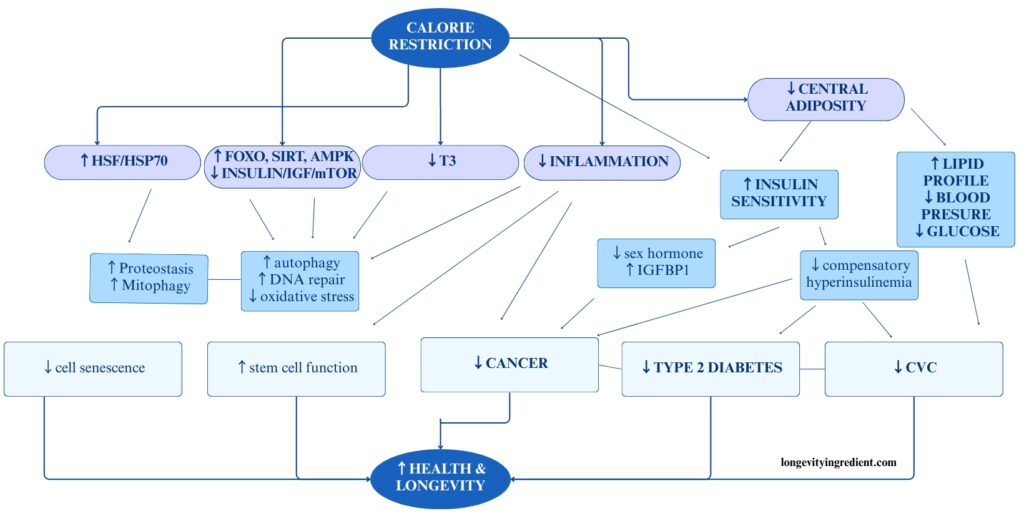
The figure below illustrates the interconnected pathways through which calorie restriction (CR) influences ageing and disease prevention. CR triggers multiple molecular cascades:

Proposed hierarchical model: pathways by which calorie restriction may influence healthspan and longevity. Based on a figure from: Most J, Tosti V, Redman LM, Fontana L. Calorie restriction in humans: An update. Ageing Res Rev. 2017 Oct;39:36-45. doi: 10.1016/j.arr.2016.08.005. Epub 2016 Aug 17. PMID: 27544442; PMCID: PMC5315691.

CR activates heat shock proteins (HSF/HSP70) that maintain protein quality and reduce cellular senescence (def. loss of a cell’s power of division and growth). It also modulates key longevity pathways by decreasing insulin/IGF-1/mTOR signalling while increasing FOXO, SIRT, and AMPK activity, leading to enhanced autophagy, DNA repair, and reduced oxidative stress. Additionally, CR reduces chronic inflammation and lowers thyroid hormone T3 levels, which decreases metabolic rate and oxidative damage.

These molecular changes produce beneficial metabolic effects: improved insulin sensitivity with reduced compensatory hyperinsulinemia, decreased central adiposity, and favourable changes in sex hormones and IGFBP1 levels. The improved central adiposity further leads to better lipid profiles, lower blood pressure, and improved glucose control.

At the bottom of the diagram, these interconnected mechanisms converge to reduce the risk of three major age-related diseases: cancer, type 2 diabetes, and cardiovascular disease. Ultimately, by reducing cellular and molecular damage, enhancing stress resistance and repair mechanisms, and maintaining metabolic homeostasis, calorie restriction promotes increased healthspan and lifespan.

Take-Home Message

Calorie restriction (CR) shows promise as a method to improve healthspan in humans, but the evidence is still evolving, and context matters significantly.

While proclaiming CR as a universal anti-ageing prescription is premature, the available evidence suggests that modest (10-25%), well-nourished calorie restriction can be a plausible and effective strategy for many healthy adults to improve healthspan-related risk factors. More research with longer follow-ups is needed to confirm these benefits and determine optimal restriction levels across different ages and populations.

References

Bales, C. W., & Kraus, W. E. (2013). Caloric restriction: Implications for human cardiometabolic health. Journal of Cardiopulmonary Rehabilitation and Prevention, 33(4), 201–208. https://doi.org/10.1097/HCR.0b013e318295019e

Caristia, S., Vito, M., Sarro, A., Leone, A., Pecere, A., Zibetti, A., Filigheddu, N., Zeppegno, P., Prodam, F., Faggiano, F., & Marzullo, P. (2020). Is caloric restriction associated with better healthy aging outcomes? A systematic review and meta-analysis of randomized controlled trials. Nutrients, 12(8), 2290. https://doi.org/10.3390/nu12082290

Flanagan, E. W., Most, J., Mey, J. T., & Redman, L. M. (2020). Calorie restriction and aging in humans. Annual Review of Nutrition, 40, 105–133. https://doi.org/10.1146/annurev-nutr-122319-034601

Kraus, W. E., Bhapkar, M., Huffman, K. M., Pieper, C. F., Das, S. K., Redman, L. M., Villareal, D. T., Rochon, J., Roberts, S. B., Ravussin, E., Holloszy, J. O., & Fontana, L. (2019). 2 years of calorie restriction and cardiometabolic risk (CALERIE): Exploratory outcomes of a multicentre, phase 2, randomised controlled trial. The Lancet Diabetes & Endocrinology, 7(9), 673–683. https://doi.org/10.1016/S2213-8587(19)30151-2

Magkos, F., Hjorth, M. F., & Astrup, A. (2020). Diet and exercise in the prevention and treatment of type 2 diabetes mellitus. Nature Reviews Endocrinology, 16(10), 545–555. https://doi.org/10.1038/s41574-020-0381-5

Most, J., & Redman, L. M. (2020). Impact of calorie restriction on energy metabolism in humans. Experimental Gerontology, 133, 110875. https://doi.org/10.1016/j.exger.2020.110875

Most, J., Gilmore, L. A., Smith, S. R., Han, H., Ravussin, E., & Redman, L. M. (2018). Significant improvement in cardiometabolic health in healthy nonobese individuals during caloric restriction-induced weight loss and weight loss maintenance. American Journal of Physiology-Endocrinology and Metabolism, 314(4), E396–E405. https://doi.org/10.1152/ajpendo.00261.2017

Most, J., Tosti, V., Redman, L. M., & Fontana, L. (2017). Calorie restriction in humans: An update. Ageing Research Reviews, 39, 36–45. https://doi.org/10.1016/j.arr.2016.08.005

Mueller, A. S., & Kim, S. M. (2025). Cardiac rehabilitation in the modern era: Evidence, equity, and evolving delivery models across the cardiovascular spectrum. Journal of Clinical Medicine, 14(15), 5573. https://doi.org/10.3390/jcm14155573

Sorkin, J. D. (2014). BMI, age, and mortality: The slaying of a beautiful hypothesis by an ugly fact. The American Journal of Clinical Nutrition, 99(4), 759–760. https://doi.org/10.3945/ajcn.113.079343

Willcox, B. J., & Willcox, D. C. (2014). Caloric restriction, caloric restriction mimetics, and healthy aging in Okinawa: Controversies and clinical implications. Current Opinion in Clinical Nutrition & Metabolic Care, 17(1), 51–58. https://doi.org/10.1097/MCO.0000000000000019

Willcox, Donald & Willcox, Bradley & Todoriki, Hidemi & Suzuki, Makoto. (2009). The Okinawan Diet: Health Implications of a Low-Calorie, Nutrient-Dense, Antioxidant-Rich Dietary Pattern Low in Glycemic Load. Journal of the American College of Nutrition. 28 Suppl. 500S-516S. 10.1080/07315724.2009.10718117.

Winter, J. E., MacInnis, R. J., Wattanapenpaiboon, N., & Nowson, C. A. (2014). BMI and all-cause mortality in older adults: A meta-analysis. The American Journal of Clinical Nutrition, 99(4), 875–890. https://doi.org/10.3945/ajcn.113.068122

Xie, S.-H., Li, H., Jiang, J.-J., Quan, Y., & Zhang, H.-Y. (2021). Multi-omics interpretation of anti-aging mechanisms for ω-3 fatty acids. Genes, 12(11), 1691. https://doi.org/10.3390/genes12111691

Is Vitamin D The Greatest Longevity Vitamin?

Understanding Vitamin D

Vitamin D comes from two main sources:

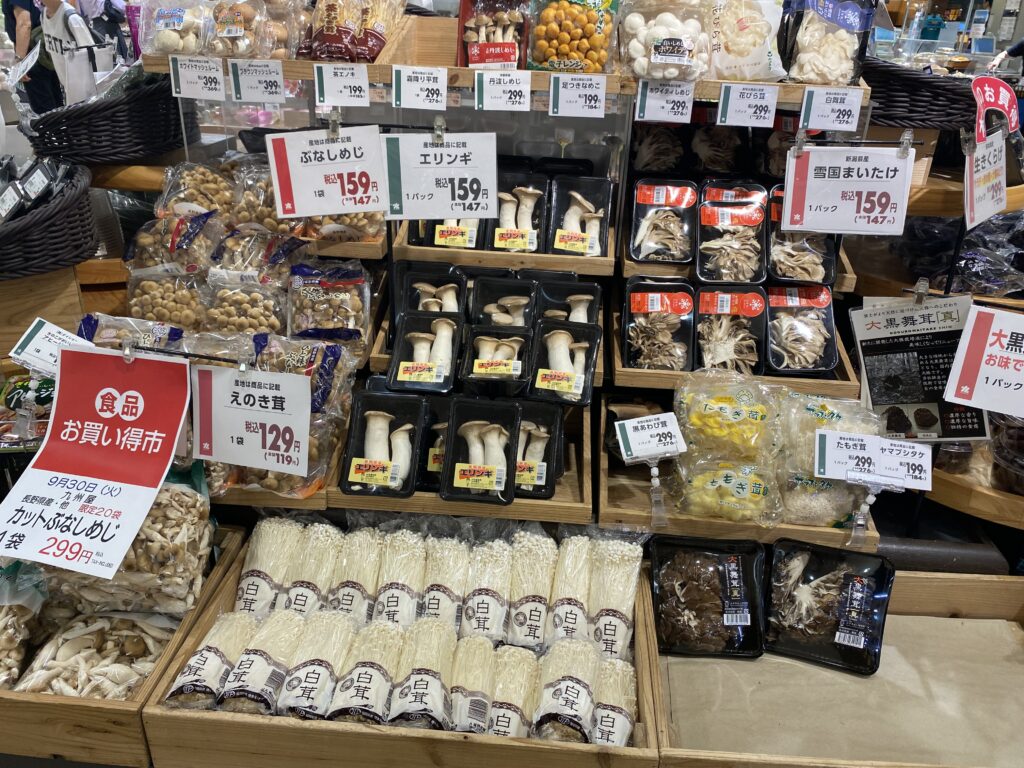
  • Food sources – fatty fish, egg yolks, cheese, and mushrooms (particularly those exposed to UV light)

Vitamin D exists in multiple forms: D2 (ergocalciferol) found in mushrooms and yeast, and D3 (cholecalciferol), which is the primary form in humans. In countries where vitamin D-rich foods aren’t commonly consumed, fortified products like milk, butter, and cereals help address potential deficiencies (Magagnoli et al., 2025).

Selection of Japanese mushrooms at the Tokyo supermarket
  • Skin production – synthesis of vitamin D when exposed to sunlight

Research indicates that 80-90% of our vitamin D requirements are naturally met through skin synthesis. A 20-minute whole-body exposure to summer sunlight can produce approximately 250 μg of vitamin D3, achieving recommended serum levels of 25-hydroxyvitamin D (>30 ng/mL). The effectiveness of this synthesis varies based on exposure duration, season, and geographical latitude.

While vitamin D is best known for its role in calcium metabolism and bone health, its receptor (VDR) has been identified throughout the human body, including the skin, brain, immune cells, and pancreas. This widespread presence explains vitamin D’s beneficial effects on cardiovascular health, diabetes management, cancer prevention, mental health, cognitive function, multiple sclerosis, and fall prevention in elderly populations.

Today’s limited sun exposure due to clothing, indoor living, and varied climate conditions has made vitamin D deficiency a common issue, often requiring supplementation (Janoušek et al., 2022).

Sunset at Le Mont Saint Michel

Testing and Supplementation

Vitamin D metabolism involves multiple steps before becoming biologically active. When vitamin D3 enters the bloodstream (whether from skin production or diet), it’s first processed in the liver to form calcidiol (25(OH)D3), then converted in the kidneys to the active form calcitriol (1,25(OH)2D3). Maintaining optimal liver stores of 25D3 is essential for proper vitamin D utilization (Kallioğlu, 2024).

Vitamin D deficiency represents a significant global health concern. Approximately 10% of Europeans have severe deficiency (less than 12 ng/mL), while deficiency rates (less than 20 ng/mL) reach around 20% in Northern Europe, 30-60% in other European regions, and as high as 80% in the Middle East.

Supplementation recommendations vary by organization and individual factors. The National Institutes of Health recommends 400-800 IU/day depending on age, with upper limits ranging from 1000-4000 IU/day. The Endocrine Society suggests higher upper limits (10,000 IU/day) than the Institute of Medicine (4000 IU/day). For individuals with normal levels, a standard dose of 1000 IU daily typically raises blood levels by 10 ng/ml over 3-4 months, though individual responses vary based on age, weight, skin color, and health conditions.

Natural vitamin D synthesis through sunlight exposure follows predictable patterns:

  • UVB exposure occurs primarily between 10:00-16:00, peaking at 12:30 pm
  • Active D3 synthesis happens from early March through late October in temperate regions
  • UVB radiation is minimal or absent during the winter months (November-February)
  • Skin type significantly affects production time – lighter skin (type I) requires about 5 minutes for 1000 IU, while darker skin (type VI) needs approximately 25 minutes
  • Latitude matters – for every degree away from the equator, D3 production decreases by 105 IU in summer and 237 IU in spring

In addition to general advice, it’s important to:

  • Get blood tests to check your actual vitamin D status
  • Adjust supplementation based on your specific levels
  • Remember that a vitamin D overdose, while rare, can be toxic

Sun Exposure and Alternatives

In my opinion, it’s better to protect skin from cancer and premature ageing by avoiding unprotected sun exposure (without SPF, sunglasses, hat, appropriate clothing) and instead relying on vitamin D supplementation.

Balancing sun exposure is important:

  • Some sunlight is essential for our circadian rhythm and sleep quality
  • From a longevity perspective, protecting our skin with sunscreen and sunglasses is recommended

Does SPF block vitamin D production? This remains controversial!

According to recent research, “The existing evidence supports that sunscreen can impair vitamin D3 synthesis, and as a result decrease serum 25(OH)D levels” (Gatta & Capelli, 2025). However, many studies note that sunscreen would need to be applied as a thick layer and regularly reapplied to fully block vitamin D production.

My recommendation: prioritise skin protection with SPF and other measures, then supplement vitamin D and incorporate more vitamin D3-rich foods to maintain healthy skin for years to come.

Effective Supplementation

Research shows that consistent, smaller daily doses of vitamin D are more effective than large weekly doses.

A clinical trial comparing equivalent doses of vitamin D3 (600 IU/day, 4200 IU/week, and 18,000 IU/month) in nursing home residents found daily administration most effective, while monthly dosing was least effective. After four months of treatment, 35% of those receiving monthly doses still had insufficient levels. Interestingly, calcium supplementation provided no additional benefit (Chel et al., 2007).

My advice: develop a consistent habit of taking vitamin D with breakfast daily. Separate calcium supplements aren’t necessary for vitamin D absorption.

Vitamin D and Longevity

Recent research demonstrates vitamin D’s potential impact on longevity and healthy ageing. The DO-HEALTH trial, examining 777 participants, found that vitamin D (2,000 IU daily), omega-3 (1g daily), and regular exercise showed additive benefits in slowing biological ageing markers. Over three years, these interventions demonstrated measurable protective effects on DNA methylation age markers (Bischoff-Ferrari et al., 2025).

Vitamin D has also gained attention as a neuroprotective agent. Low serum levels (<20 ng/mL) are associated with a 2.3-fold increased Alzheimer’s disease risk, while supplementation appears to slow cognitive decline in those with mild cognitive impairment (Li Y et al., 2025).

Further research indicates distinct roles for vitamin D in biological ageing processes, highlighting the importance of maintaining adequate levels for cognitive and physical health in older adults. Even among those with normal vitamin D levels, preserving cognitive function significantly slows biological ageing (Li M et al., 2025).

Vitamin D deficiency has been identified as a risk factor for decreased mobility in older individuals. Monitoring levels should be prioritised across clinical settings to minimise complications associated with deficiency, particularly regarding mobility (Luiz et al., 2025).

Studies examining exceptional longevity have found associations between vitamin D levels and cardiovascular health. Lower 25(OH)D levels are linked to increased risk of cardiovascular disease, hypertension, atherosclerosis, atrial fibrillation, and heart failure. Conversely, higher concentrations predict lower long-term mortality and cardiovascular disease incidence (Pareja-Galeano et al., 2015).

Recent research has also revealed vitamin D’s role in mitochondrial function. The vitamin D receptor (VDR) interacts with mitochondrial DNA, suggesting vitamin D’s involvement in cellular energy production and ageing processes (Gezen-Ak et al., 2023).

Take-home message

Vitamin D is essential for bone health and numerous body functions. While our bodies produce it naturally through sun exposure, modern lifestyles often lead to a deficiency. For optimal health, consider these key points:

  • Get your vitamin D levels tested to determine your personal needs
  • Daily supplementation (typically 1000-2000 IU) is more effective than weekly or monthly doses
  • Protect your skin with SPF and rely on supplements rather than unprotected sun exposure
  • Adequate vitamin D levels contribute to longevity, cognitive health, and reduced cardiovascular disease risk

References:

Bischoff-Ferrari, H., et al. (2025). Individual and additive effects of vitamin D, omega-3 and exercise on DNA methylation clocks of biological aging in older adults from the DO-HEALTH trial. Front. Aging, 12:1581612.

Chel, V., et al. (2007). Efficacy of different doses and time intervals of oral vitamin D supplementation with or without calcium in elderly nursing home residents. J Clin Endocrinol Metab, 92(7):2604-2609.

Gatta, L., & Capelli, G. (2025). Sunscreen and 25-Hydroxyvitamin D Levels: Friends or Foes? A Systematic Review and Meta-Analysis. Journal of Dermatology, 44(2):109-121. doi: 10.1016/j.eprac.2025.03.014

Gezen-Ak, D., et al. (2023). Vitamin D receptor regulates transcription of mitochondrial DNA and directly interacts with mitochondrial DNA and TFAM. J Nutr Biochem, 116:109322. doi: 10.1016/j.jnutbio.2023.109322

Kallioğlu, T. (2024). UV index‑based model for predicting synthesis of (pre‑)vitamin D3 in the mediterranean basin. Int J Biometeorol, 68(5):765-778.

Li, M., et al. (2025). Association of serum 25(OH)D3 and cognitive levels with biological aging in the elderly: a cross-sectional study. Front Nutr, 12:1581610. doi: 10.3389/fnut.2025.1581610

Li, Y., et al. (2025). The relationship between vitamin D levels and Alzheimer’s disease risk: insights from a centenarian study of Chinese women. Front Nutr, 12:1628732. doi: 10.3389/fnut.2025.1628732

Luiz, L.C., et al. (2025). Is serum 25-hydroxyvitamin D deficiency a risk factor for the incidence of slow gait speed in older individuals? Evidence from the English longitudinal study of ageing. Age and Ageing, 54(2):239-246.

Pareja-Galeano, H., et al. (2015). Vitamin D, precocious acute myocardial infarction, and exceptional longevity. Int J Cardiol, 199:405-6. doi: 10.1016/j.ijcard.2015.07.082

Can Omega-3 Fatty Acids Make You Live Longer?

Understanding Fatty Acids

Before exploring our main topic, let’s begin with some fundamental knowledge about fatty acids.

Fatty acids can be classified into four basic groups based on their carbon chain length:

  • short-chain fatty acids (SCFAs), containing one to six carbon atoms (C1–6), form through carbohydrate fermentation by gut microbiota in mammalian digestive tracts
  • medium-chain fatty acids (MCFAs), containing seven to 12 carbon atoms (C7–12)
  • long-chain fatty acids (LCFAs), containing 14 to 18 carbon atoms (C14–18), which make up most dietary fatty acids
  • very long-chain fatty acids (VLCFAs), containing more than 20 carbon atoms (C > 20)

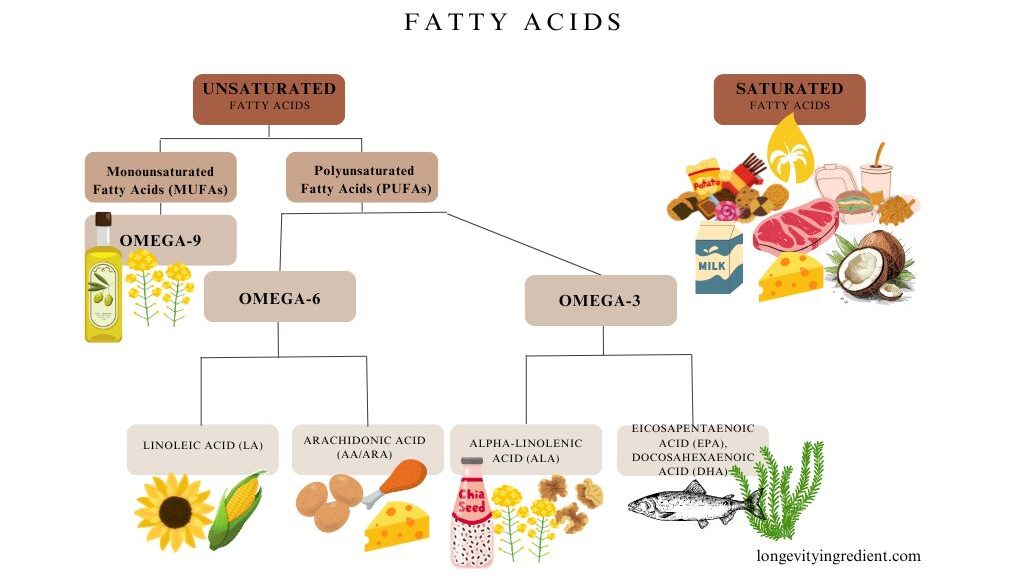
Fatty acids can also be categorised into saturated and unsaturated subgroups. The unsaturated category includes monounsaturated fatty acids (MUFAs), such as omega-9 fatty acids, and polyunsaturated fatty acids (PUFAs) (Cholewski et al., 2018).

Within the PUFA category, we find omega-6 and omega-3 fatty acids, which are the focus of this article.

Omega-3 fatty acids, a type of PUFA, are considered essential because human cells cannot produce them independently (Champigny et al., 2018). While some researchers consider all PUFAs essential, particularly highlighting linoleic acid (LA, an omega-6) and alpha-linolenic acid (ALA, an omega-3) as “parent essential fatty acids,” others focus on arachidonic (AA, an omega-6) and linoleic acids due to their role in growth and skin health. Mammalian research identifies 23 essential acids, while aquatic research focuses on just two omega-3s: EPA and DHA (Cholewski et al., 2018).

For our discussion of longevity, we’ll focus on three key omega-3 fatty acids: linolenic acid (ALA), eicosapentaenoic acid (EPA), and docosahexaenoic acid (DHA) (Xie et al., 2021).

Disclaimer: This graph is a simplified representation of the most relevant fatty acids mentioned in this article, that doesn’t show all existing fatty acids. It was created to clarify what omega-3 acids are, particularly EPA and DHA, in relation to omega-6 acids.

While the body cannot create omega-3 fatty acids from scratch, it can convert ALA (an 18-carbon fatty acid) into EPA (20 carbons) and subsequently into DHA (22 carbons) through enzymatic processes – but more on this process shortly (Xie et al., 2021).

ALA primarily comes from plant sources, especially seeds, nuts, and certain vegetable oils. Rich sources include flaxseed, chia seeds, walnuts and canola.

While safflower, sunflower, corn, and soybean oils contain high amounts of linoleic acid (LA, an omega-6), flaxseed oil is particularly rich in ALA (49.2 g/100 g).

For EPA and DHA, the best sources are fish oils, particularly from salmon, sardines, and herring (Shahidi & Ambigaipalan 2018).

An important nuance often overlooked is that nutritional choices aren’t black and white. While salmon is rich in EPA and DHA and eggs contain more saturated fats, this doesn’t mean we should exclusively eat salmon and completely avoid eggs. Eggs also contain omega-3 fatty acids, just in smaller quantities than salmon. It’s worth remembering that we consume whole foods, not isolated nutrients.

Salmon sashimi and tuna roll – an example of a dish rich in EPA and DHA.

Why Omega-3 Fatty Acid Supplementation Is Important

Two key challenges affect omega-3 levels in the body: omega-6 fatty acids compete with omega-3s for the same enzymes, and Western diets contain an excess of omega-6s.

The human body’s ability to convert ALA into EPA and DHA is remarkably inefficient. According to Shahidi & Ambigaipalan, only 0.2% of ALA converts to EPA, and a mere 0.05% converts to DHA.

Most people don’t get enough EPA and DHA through diet alone. This deficiency, combined with high omega-6 consumption, creates an unfavourable ratio of omega-6 to omega-3 fatty acids.

Understanding Ageing

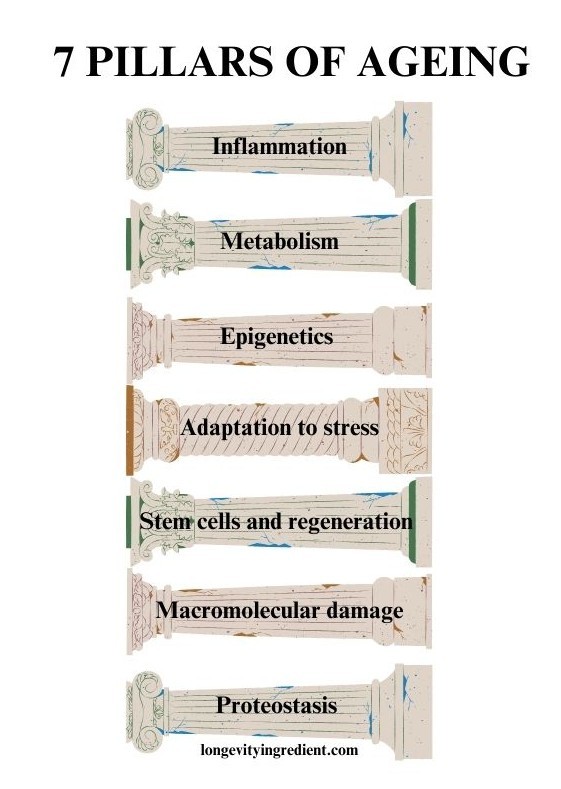
Ageing is a complex biological process characterized by multiple interconnected mechanisms that contribute to the gradual decline of cellular and organismal function over time. Scientists have developed various frameworks to understand these mechanisms, with one prominent model being the Seven Pillars of Aging. This comprehensive framework breaks down the ageing process into distinct but interrelated biological components: inflammation (chronic low-grade inflammation that increases with age), metabolism (changes in how cells process energy and nutrients), epigenetics (alterations in gene expression patterns without DNA sequence changes), adaptation to stress (declining ability to respond to environmental challenges), stem cells and regeneration (reduced capacity for tissue repair and maintenance), macromolecular damage (accumulation of damaged proteins, lipids, and DNA), and proteostasis (declining ability to maintain proper protein folding and function) (Doyle et al., 2018).

Research on Omega-3 and Aging Mechanisms

Let’s explore in detail how omega-3 fatty acids interact with and influence the fundamental pillars of ageing, according to recent scientific research:

  1. Inflammation
    Omega-3 fatty acids, particularly EPA and DHA, act as activators for anti-inflammatory transcription factors. They compete with AA (arachidonic acid, sometimes encoded as ARA, omega-6 acid) to bind to substrates in enzymatic pathways, inhibiting the conversion of AA into pro-inflammatory molecules (Qiu et al., 2024).
  2. Metabolism
    Omega-3 fatty acids play a crucial role in metabolic regulation by influencing gut microbiota composition and function. They enhance fatty acid metabolism and improve nutrient absorption through multiple pathways in the digestive system (Qiu et al., 2024). So we could say that the impact of omega-3 and omega-6 fatty acids on ageing is partially mediated by the gut microbiome, including Actinobacteria, Bifidobacteria, and Streptococcus (Xie et al., 2021).
  3. Epigenetics
    Through complex mechanisms, omega-3 fatty acids influence DNA methylation patterns and modulate the expression of genes associated with longevity. This epigenetic regulation can have long-lasting effects on cellular function (Xie et al., 2021).
  4. Adaptation to stress
    These essential fatty acids enhance cellular resilience by activating the Nrf2 pathway and upregulating protective enzymes like HO-1. This provides a crucial defence against oxidative damage and environmental stressors (Qiu et al., 2024).
  5. Stem cells and regeneration
    Research has demonstrated that omega-3 fatty acids support nervous system development and maintenance, potentially influencing stem cell function and tissue regeneration capabilities (Xie et al., 2021).
  6. Macromolecular damage
    While studies show mixed results, a mini meta-analysis suggests that omega-3 fatty acids may have a role in telomere maintenance (Ali et al., 2022). The decrease in the omega-6:omega-3 ratio has been associated with longer telomere length, potentially due to reduced inflammatory processes and oxidative stress (da Silva et al., 2022).
    While these studies suggest that omega-3 fatty acids may contribute to cellular longevity by helping maintain telomere length, this relationship remains under investigation and shouldn’t be considered definitively proven (Ali et al., 2022).
  7. Proteostasis
    Omega-3 fatty acids significantly impact cellular membrane properties and signalling pathways, contributing to proper protein folding and cellular homeostasis maintenance (Qiu et al., 2024).

Recommended Intake

To achieve beneficial effects, research indicates that adults should consume 250-500mg of combined EPA and DHA daily (Wu et al., 2024). This dosage supports healthy ageing across multiple physiological systems. Note that the FDA recommends limiting combined EPA and DHA intake from dietary supplements to 5g per day (Izadi et al., 2024).

Take-Home Message

Research demonstrates that omega-3 fatty acids may slow ageing through multiple pathways—improving brain function and structure, reducing inflammation, modulating immune responses, and enhancing mitochondrial function (Wu et al., 2024).

The EPA/AA ratio is particularly significant, as higher ratios correlate with lower all-cause mortality (Qiu et al., 2024).

For optimal results, focus on two key ratios:

  • Lower the omega-6 to omega-3 ratio in your diet.
  • Increase the omega-3 to total fatty acids ratio in your blood (aim for an Omega-3 Index above 8%) (Alsmari et al., 2023).

Before beginning supplementation, consider getting a blood panel analysis to measure your fatty acid and omega-3/omega-6 ratios. This will make it easier to adjust your omega-3 supplementation dosage, leading to more effective intervention.

Select high-quality fish oil supplements to avoid heavy metal contamination.

References

Ali, S. R., Amer, S. A., Abd-El Hameed, M. A., Hamza, M. A., & Hassan, M. A. (2022). The association between omega-3 supplementation and telomere length and telomerase activity: A mini meta-analysis. Lipids in Health and Disease, 21(1), 1-10. doi:10.1186/s12944-022-01662-6

Alsmari, W., Algethami, M. R., Felemban, E. M., Aldahlawi, A. M., & Algethami, S. R. (2023). The Role of Omega-3 Fatty Acids in Human Health: A Review. Current Nutrition & Food Science, 19(4), 460-472. doi:10.2174/1573401318666220719121310

Champigny, C. M., McNamara, R. K., & Stark, K. D. (2018). Omega-3 fatty acid deficiency throughout the lifespan: An overview with emphasis on the brain. Nutrients, 10(8), 1046. doi:10.3390/nu10081046

Cholewski, M., Tomczykowa, M., & Tomczyk, M. (2018). A comprehensive review of chemistry, sources and bioavailability of omega-3 fatty acids. Nutrients, 10(11), 1662. doi:10.3390/nu10111662

da Silva, G. C., Lyra e Silva, N. M., Sabia, A. C., & de Miranda Netto, M. V. (2022). Dietary factors and telomere length: A systematic review. European Journal of Clinical Nutrition, 76(4), 1-11. doi:10.1038/s41430-021-00996-1

Doyle, K. E., Brown, J. L., & Rasheed, A. (2018). Identifying core pillars of aging: A review of biological mechanisms. Aging Cell, 17(4), e12814. doi:10.1111/acel.12814

Izadi, M., Khorshidi, M., Khodadadi, S., & Mohammadi, H. (2024). Omega-3 fatty acids and human health: An updated systematic review. Journal of Functional Foods, 81, 105575. doi:10.1016/j.jff.2023.105575

Qiu, X., Krogh, V., Ricceri, F., & Bosetti, C. (2024). Omega-3 fatty acids and healthy aging: A systematic review. Nutrients, 16(1), 156. doi:10.3390/nu16010156

Shahidi, F., & Ambigaipalan, P. (2018). Omega-3 polyunsaturated fatty acids and their health benefits. Annual Review of Food Science and Technology, 9, 345-381. doi:10.1146/annurev-food-111317-095850

Wu, J., Wilson, K. M., Stampfer, M. J., & Willett, W. C. (2024). Omega-3 fatty acids and mortality risk: A systematic review and meta-analysis. BMJ Nutrition, Prevention & Health, 7(1), e000614. doi:10.1136/bmjnph-2023-000614

Xie, D., Gong, M., Wei, W., & Jin, J. (2021). Understanding the role of omega-3 fatty acids in aging: A review of mechanisms related to inflammation and gut microbiota. Nutrients, 13(11), 4079. doi:10.3390/nu13114079

Is the Mediterranean Diet an Ultimate Longevity Protocol?

The Mediterranean Diet (MedDiet) is one of the world’s most important and well-researched eating patterns. It’s more than just a healthy way of eating – it’s so special that in 2010, UNESCO named it an important part of humanity’s intangible cultural heritage. This recognition shows that it’s not just a collection of healthy foods but a cultural archetype encompassing food selection, processing, and distribution methods (Dominguez, 2021).

What is the Mediterranean Diet?

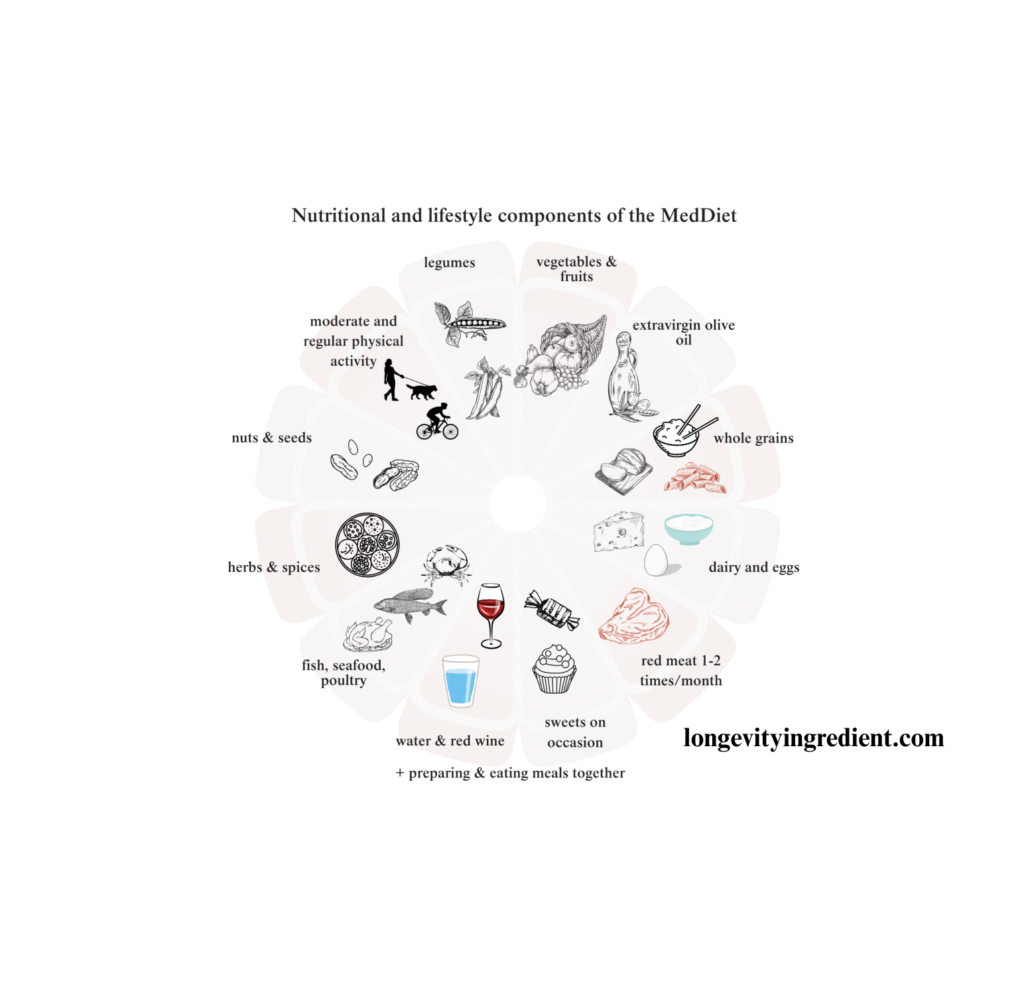
The Mediterranean Diet combines health and pleasure. Fresh vegetables and fruits are at its heart, complemented by wholesome grains and protein-rich legumes. The star of the show is extra virgin olive oil, lending its golden touch to both cooking and seasoning.

This diet celebrates the bounty of the sea with regular servings of fish and seafood while treating meat as an occasional treat rather than a daily necessity. Dairy appears in modest portions, mainly as yoghurt and carefully selected cheeses. Nature’s candy – fresh fruit – takes centre stage for dessert, making sugary treats a rare indulgence.

But the Mediterranean lifestyle extends beyond the plate. It’s about savouring each moment: cooking with aromatic herbs and spices, sharing meals with loved ones, and embracing the rhythm of life through daily physical activity. Even rest is elevated to an art form, with the traditional siesta offering a peaceful midday pause.

This approach to eating and living emphasizes a deep connection with nature, favouring locally sourced, minimally processed foods. Wine, when consumed, is treated not as a mere beverage but as part of the meal’s social fabric, enjoyed in moderation and always alongside food. (Dominguez, 2021).

In academic settings, baseline adherence to the Mediterranean diet can be measured by the MEDAS (Mediterranean Diet Adherence Screener), which is a 14-point scoring system. This screener includes specific criteria for scoring points based on various dietary habits.

This particular screener comes from the publication of Schroder et al., 2011.

MEDAS (Mediterranean Diet Adherence Screener)Criteria for 1 point
Do you use olive oil as the principal source of fat for cooking?Yes
How much olive oil do you consume per day (including that used in frying, salads, meals eaten away from home, etc.)?≥4 tablespoons
How many servings of vegetables do you consume per day? Count garnish and side servings as 1/2 point; a full serving is 200 g.≥2
How many pieces of fruit (including fresh-squeezed juice) do you consume per day?≥3
How many servings of red meat, hamburger, or sausages do you consume per day? A full serving is 100–150 g.<1
How many servings (12 g) of butter, margarine, or cream do you consume per day?<1
How many carbonated and/or sugar-sweetened beverages do you consume per day?<1
Do you drink wine? How much do you consume per week?≥7 cups
How many servings (150 g) of pulses do you consume per week?≥3
How many servings of fish/seafood do you consume per week? (100–150 g of fish, 4–5 pieces or 200 g of seafood)≥3
How many times do you consume commercial (not homemade) pastry such as cookies or cake per week?<2
How many times do you consume nuts per week? (1 serving = 30 g)≥3
Do you prefer to eat chicken, turkey or rabbit instead of beef, pork, hamburgers, or sausages?Yes
How many times per week do you consume boiled vegetables, pasta, rice, or other dishes with a sauce of tomato, garlic, onion, or leeks sauted in olive oil (so called “soffrrito”)?≥2

MEDAS scores range from 0-14 points total. The scores indicate different levels of Mediterranean Diet adherence: scores of 5 or less show low adherence, scores between 6-9 show moderate adherence, and scores of 10 or higher show strong adherence (García-Conesa 2020).

Tomato soup (Italian: Tuscan Pappa al Pomodoro)

Mechanisms Behind the Benefits

One key mechanism explaining the MedDiet’s benefits involves the gut microbiota, which has emerged as a crucial player in the diet-health relationship through metabolites derived from microbial fermentation of nutrients, particularly short-chain fatty acids (Dominguez, 2021).

Research shows that looking at specific nutrients helps us understand healthy diets.

Dark-colored vegetables and fruits contain powerful anti-inflammatory and antioxidant compounds. These compounds appear in many different diets and may help explain why certain foods promote better health as we age (Hsiao & Chen 2022).

Polyphenols play a significant role in the diet’s effectiveness. In a Mediterranean cohort from Catania, Italy, the mean polyphenol intake was high (663.7 mg/d), with major sources including nuts, tea, coffee, fruits (especially cherries and citrus), vegetables (particularly artichokes and olives), chocolate, red wine, and pasta. Additionally, the PREDIMED trial demonstrated that a high intake of total polyphenols, especially stilbenes and lignans, was associated with reduced mortality risk. The distinguishing factor in PREDIMED participants was their consumption of polyphenols from olives and olive oil (Dominguez, 2021).

Impact on Mortality & Biological Ageing

Research consistently shows that increased adherence to the Mediterranean Diet pattern correlates with reduced total and cause-specific mortality. A comprehensive meta-analysis of 29 prospective observational studies, involving over 1.67 million participants, revealed a 10% reduction in all-cause mortality for every two-point increase in MedDiet adherence. The effect was even stronger among Mediterranean residents compared to non-Mediterranean populations (hazard ratios of 0.82 and 0.92, respectively) (Barber, 2023).

The diet’s impact on longevity is supported by biological evidence. Studies have shown that adherence to the Mediterranean Diet is associated with longer telomere length, suggesting it may also slow the biological ageing process (Barber, 2023).

Blue Zones: A Global Perspective on Longevity

The Blue Zones, areas with unusually high concentrations of centenarians, provide valuable insights into dietary patterns and longevity. These regions include Okinawa (Japan), Ikaria (Greece), parts of Sardinia (Italy), and the Nicoya Peninsula (Costa Rica) (Pes, 2022).

Dan Buettner, a National Geographic journalist, is credited with the concept of Blue Zones. In addition to the four locations mentioned above, a fifth one has been established: Loma Linda, California (United States of America) (Tan 2024).

These populations have been rigorously validated through death certificates and social security records. Interestingly, the dietary patterns across Blue Zones show remarkable diversity. Even within Mediterranean Blue Zones, there are significant deviations from the classical Mediterranean Diet (Pes, 2022).

Beyond Diet: A Complex Picture

The relationship between diet and longevity is more complex than often portrayed. In Sardinia’s Blue Zone, for example, potentially negative effects of a diet high in saturated fats and potato-derived starch were likely offset by the intense daily physical activity of their pastoral lifestyle. Additionally, genetic factors present in Blue Zone populations may have diminished the relative importance of diet in their exceptional longevity (Pes, 2022).

Recent research suggests that hybrid approaches might be beneficial. For instance, the Mediterranean-styled Japanese diet combines elements from both traditions, focusing on vegetables, beans, and fish while incorporating specific elements from both cultures. This fusion demonstrates how different healthy eating patterns can be adapted and combined (Santa, 2022).

Why the Mediterranean Diet Isn’t the Ultimate Protocol

While the Mediterranean Diet has proven benefits, calling it the “ultimate” longevity protocol would be an oversimplification. The evidence from Blue Zones shows that different dietary patterns can promote longevity when adapted to local contexts and individual needs. The success of any dietary pattern depends heavily on its interaction with lifestyle factors, genetics, and environmental conditions (Pes, 2022).

Furthermore, research on the transferability and effectiveness of the Mediterranean Diet in non-Mediterranean populations requires further investigation (Dominguez, 2021). What works in one population or region may not work equally well in another.

Conclusion: A Holistic Approach to Longevity

Medicine should aim not merely at life’s prolongation but at promoting old age while avoiding multimorbidity and disability as much as possible (Dominguez, 2021). The Mediterranean Diet can certainly be an excellent longevity protocol, but it’s just one component of a complex system that influences healthy ageing.

The key to understanding longevity lies in recognizing that dietary patterns are largely affected by culture, ethnicity, geographical locations, and cooking methods. As we continue to explore the fascinating field of longevity, we must consider diet as part of a broader lifestyle approach that includes physical activity, genetic factors, and various other elements that contribute to a long, healthy life.

Reference

Impact of Mediterranean Diet on Chronic Non-Communicable Diseases and Longevity (Dominguez et al., 2021) doi: 10.3390/nu13062028

A Short Screener Is Valid for Assessing Mediterranean Diet Adherence among Older Spanish Men and Women (Schroder et al., 2011) doi: 10.3945/jn.110.135566

Exploring the Validity of the 14-Item Mediterranean Diet Adherence Screener (MEDAS): A Cross-National Study in Seven European Countries around the Mediterranean Region (García-Conesa et al., 2020) doi: 10.3390/nu12102960

What constitutes healthy diet in healthy longevity (Hsiao & Chen 2022) doi: 10.1016/j.archger.2022.104761

The Effects of the Mediterranean Diet on Health and Gut Microbiota (Barber et al., 2023) doi: 10.3390/nu15092150

The Recommendation of the Mediterranean-styled Japanese Diet for Healthy Longevity (Santa et al., 2022) doi: 10.2174/0118715303280097240130072031

Diet and longevity in the Blue Zones: A set-and-forget issue? (Pes et al., 2022) doi: 10.1016/j.maturitas.2022.06.004

Navigating the Healthcare Conundrum: Leadership Perspective from a Premier Healthcare Organization in Loma Linda’s Blue Zone (Tan et al., 2024) doi: 10.2147/JHL.S452188