Press "Enter" to skip to content

Posts published in “Lifestyle”

Is Strength the Key Longevity Marker? Rethinking Bone and Muscle Health in Ageing

Bone strength and muscle health are essential for longevity

Loss of bone and muscle with age poses a serious threat to independence in later life.

Osteoporosis is a major public health problem due to its link with fragility fractures, primarily of the hip, spine, and distal forearm.

Sarcopenia, on the other hand, is the age-related loss of muscle mass and function, which may increase fracture risk by raising the likelihood of falls. In muscle ageing, it’s important to remember that declining muscle mass is not the only factor affecting muscle function. Other aspects of muscle quality also play a role, including, among others: muscle composition, aerobic capacity and metabolism (Curtis et al., 2015).

Muscle Strength as a Health Indicator

The “Global consensus on optimal exercise recommendations for enhancing healthy longevity in older adults” highlights how aerobic capacity and muscle strength are interconnected and together influence mortality risk (Izquierdo et al., 2025). Remarkably, individuals over 60 in the lowest third for strength were 50% more likely to die from all causes than those in the upper third (McLeod et al., 2016).

Higher levels of self-reported physical activity, cardiorespiratory fitness, and muscle strength all predict better survival (Izquierdo et al., 2025). This underscores the importance of muscle size and strength for longevity and health, giving new meaning to Darwin’s “Survival of the Fittest” – the strongest and fittest individuals are indeed more likely to live longer, healthier lives (McLeod et al., 2016).

What’s the pathomechanism of sarcopenia?

Sarcopenia results from multiple interacting mechanisms. Starting from within the muscle itself: mitochondrial dysfunction, altered satellite cell number and function, impaired proteostasis (a process that regulates the balance of cellular production, folding, and degradation of proteins (Liang et al., 2023)), neuromuscular changes, disturbed communication between muscle and adipose tissue, and a reduced number of motor units.

All of the above contribute to the loss of muscle mass and strength. These are compounded by systemic factors such as changes in hormone levels, insulin resistance, visceral obesity, ectopic (in non-adipose tissues) lipid accumulation, oxidative stress, and dysbiosis of the gut microbiota. Lifestyle and immune-related influences, including a sedentary lifestyle, malnutrition, immune function dysregulation, and chronic low-grade inflammation, further accelerate the progression of sarcopenia (Fig.1) (Bilski et al., 2022).
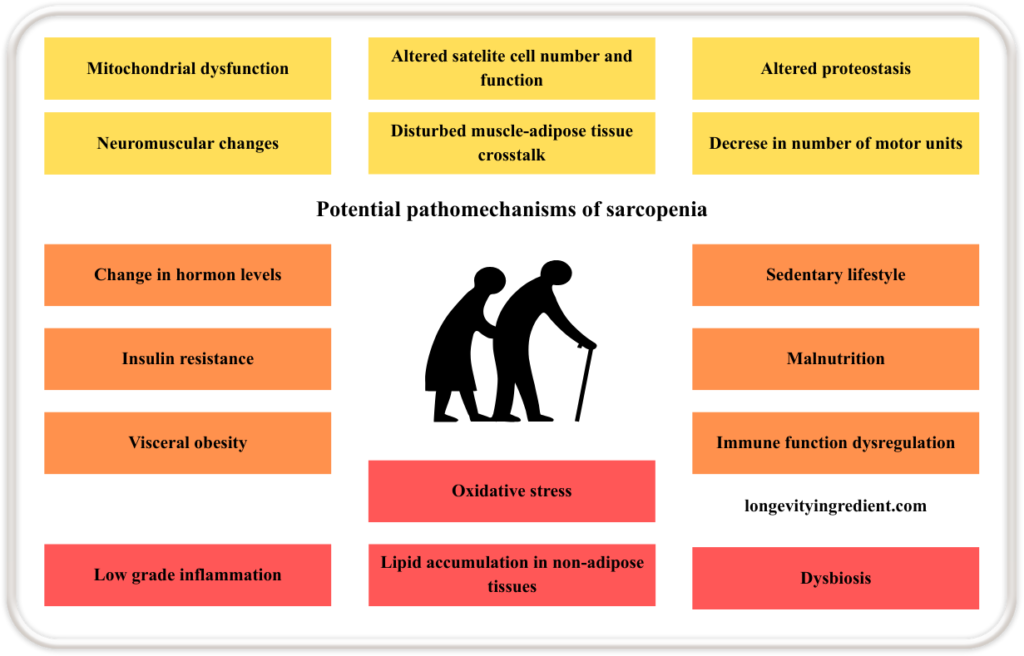
Figure 1. Potential pathomechanisms of sarcopenia. Based on a figure featured in: Bilski J, Pierzchalski P, Szczepanik M, Bonior J, Zoladz JA. Multifactorial Mechanism of Sarcopenia and Sarcopenic Obesity. Role of Physical Exercise, Microbiota and Myokines. Cells. 2022; 11(1):160.

Bone Density as a Marker of Ageing

Lower bone mineral density is associated with higher mortality risk across various populations, including elderly individuals, those with chronic diseases, and diabetes patients (Tsai et al., 2024).

The critical link between bone health and survival is largely explained by fracture risk and its consequences. When elderly individuals suffer hip fractures, the greatest danger isn’t the fracture itself, but rather the prolonged immobilisation that follows.

In nonagenarians (90+ years) with hip fractures, surgery dramatically improved survival – those who underwent surgery lived a median of 58 months compared to only 24 months for those who received non-operative treatment. The study shows that timing matters critically: patients who had surgery within 48 hours of admission survived significantly longer (median 73.8 months) than those operated on after 48 hours (39.7 months). Early surgery reduced immobilisation time, pneumonia rates, and overall mortality (Wang et al., 2024).

Maintaining bone health throughout life is essential because it helps prevent fractures and the life-threatening immobilisation that follows. At every age, movement is fundamental to survival.

The Link Between Menopause and Osteoporosis

Postmenopausal osteoporosis is a common condition affecting nearly 1 in 3 women. Estrogen deficiency, the primary driver of postmenopausal bone loss and osteoporosis, causes rapid bone loss, which peaks within the first 2–3 years after menopause (Gosset et al., 2021).

Let’s try to understand how estrogen deficiency drives bone loss, starting from the molecular mechanism by which estrogen maintains healthy bone homeostasis.

Healthy bones depend on a balance between osteoclast and osteoblast activity. Osteoclasts break down old or damaged bone, while osteoblasts form new bone and repair existing bone.

The left panel shows the cellular pathway where estrogen promotes bone health: osteoblasts (pink cells) undergo autophagy and survive in the presence of estrogen. These osteoblasts express two key proteins – OPG (osteoprotegerin, shown in yellow), which acts as a protective factor, and RANK-L (shown in green), which can stimulate bone resorption. OPG blocks RANK-L from activating the RANK receptor on osteoclasts (shown with a red inhibition line), preventing excessive osteoclast (purple cell) activity and thus preventing bone breakdown. The right panel depicts a classical balance scale with osteoblasts and osteoclasts perfectly balanced, symbolising homeostasis that supports healthy bones. This visualisation effectively shows how estrogen maintains balance between bone formation and bone resorption (Fig. 2).
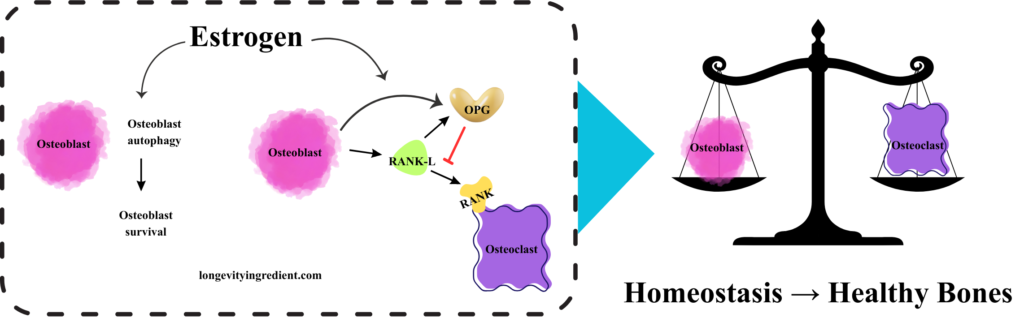
Figure 2. Estrogen maintains healthy bone homeostasis. Figure based on one featured in: Hosein-Woodley, Rasheed & Hirani, Rahim & Issani, Ali & Hussaini, Anum & Stala, Olivia & Smiley, Abbas & Etienne, Mill & Tiwari, Raj. (2024). Beyond the Surface: Uncovering Secondary Causes of Osteoporosis for Optimal Management. Biomedicines. 12. 2558. 10.3390/biomedicines12112558.

What happens when estrogen deficiency disrupts bone homeostasis? The left panel depicts the molecular cascade: osteoclasts (purple cells) survive through elevated autophagy, while osteoblasts (pink cells) undergo apoptosis rather than surviving. In this estrogen-deficient state, osteoblasts produce RANK-L (green), but OPG activity (yellow) is reduced. Without sufficient OPG to block it, RANK-L freely binds to and activates the RANK receptor on osteoclasts, triggering excessive bone resorption. The right panel shows a tilted balance scale – osteoclast activity now outweighs osteoblast activity, tipping heavily toward bone breakdown rather than formation (Fig. 3). This visualisation demonstrates how estrogen loss disrupts the delicate equilibrium shown in Figure 2, ultimately leading to osteoporosis through unchecked bone resorption.
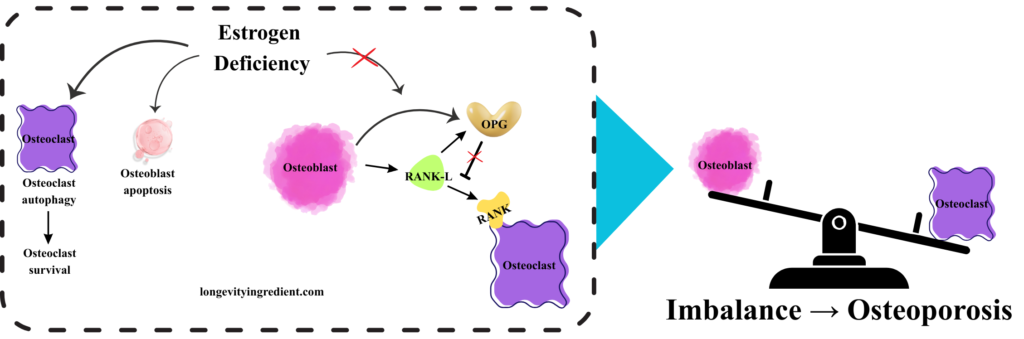
Figure 3. Estrogen deficiency disrupts bone homeostasis. Figure based on one featured in: Hosein-Woodley, Rasheed & Hirani, Rahim & Issani, Ali & Hussaini, Anum & Stala, Olivia & Smiley, Abbas & Etienne, Mill & Tiwari, Raj. (2024). Beyond the Surface: Uncovering Secondary Causes of Osteoporosis for Optimal Management. Biomedicines. 12. 2558. 10.3390/biomedicines12112558.

Estrogen deficiency isn’t the only threat. Other important risk factors include advanced age, genetics, smoking, low body weight, various diseases and medications that compromise bone health (McClung et al., 2021), heavy intake of alcohol, poor sleep and poor diet, meaning a high-calorie diet and/or insufficient nutrition (Fig. 4) (Hosein-Woodley et al., 2024).
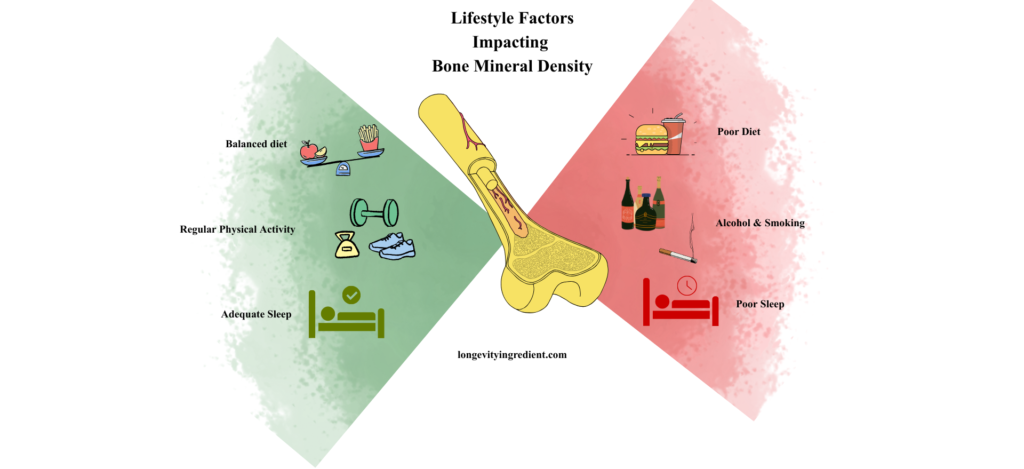
Figure 4. Lifestyle factors impacting bone mineral density. Figure based on one featured in: Hosein-Woodley, Rasheed & Hirani, Rahim & Issani, Ali & Hussaini, Anum & Stala, Olivia & Smiley, Abbas & Etienne, Mill & Tiwari, Raj. (2024). Beyond the Surface: Uncovering Secondary Causes of Osteoporosis for Optimal Management. Biomedicines. 12. 2558. 10.3390/biomedicines12112558.

The Key to Building Strong Muscles

While nutrition is crucial, it’s not the complete answer. Without physical activity, even the most optimal diet cannot prevent muscle loss.

As the ancient wisdom goes, “motion is lotion” – movement is essential for maintaining healthy muscles and bones. Physical exercise remains the key biological stimulus for bone-muscle crosstalk (Kirk et al., 2025).

The World Health Organisation (WHO) recommends that adults aged 65 and older engage in at least 150 minutes of moderate-intensity or 75 minutes of vigorous-intensity aerobic activity weekly, plus muscle-strengthening activities on two or more days per week (Izquierdo et al., 2025).

Our improved understanding of sarcopenia mechanisms has enabled the development of combined dietary and physical activity approaches that can slow disease progression. These new strategies focus on optimising protein quality, quantity, and timing, alongside incorporating antioxidative nutrients.

To counter anabolic resistance, significantly increasing protein intake is essential. When simply increasing the amount proves insufficient, evenly distributing protein intake throughout the day shows promising results for muscle strength. The quality and variety of protein sources matter too – incorporating more plant-based proteins alongside animal proteins appears beneficial. However, since plant proteins have lower bioavailability, ensuring adequate total protein intake is crucial.

Vitamin D supplementation is recommended, given its dual role in both anabolic and antioxidative processes. Antioxidative dietary strategies should include fibres, vitamins, micronutrients, and polyphenols from diverse sources to support physical performance. Omega-3 polyunsaturated fatty acids positively influence body composition. Gut microbiota modifiers, particularly prebiotics, represent promising interventions for improving muscle mass, function, and body composition in sarcopenic patients.

The combination of nutritional interventions with physical activity enhances outcomes in sarcopenia. For healthy older adults, adopting a Mediterranean-style diet represents one of the most effective lifestyle modifications. For individuals with sarcopenia where comprehensive lifestyle changes seem unlikely, targeted nutritional enrichment combined with physical activity offers valuable support in fighting sarcopenia (Cailleaux et al., 2024).

Evidence-Based Dietary Recommendations for Osteoporosis

The Mediterranean diet has long been recognised for its health benefits. This traditional eating pattern emphasises vegetables, legumes, fruits, nuts, and whole grains, with olive oil as the primary fat source. It includes moderate amounts of fish, limited dairy products (mainly cheese and yoghurt), minimal meat and poultry, and moderate wine consumption with meals.

Research consistently demonstrates that Mediterranean dietary patterns support bone health. The combination of fruits, vegetables, low-fat dairy products, and fish provides essential nutrients for maintaining strong bones (Quattrini et al., 2021).

The French Rheumatology Society and the Osteoporosis Research and Information Group have established comprehensive dietary guidelines for osteoporosis prevention and treatment. Their recommendations are based on current scientific evidence and provide practical guidance for maintaining bone health.

What to include

A Mediterranean-style diet combined with 2-3 daily servings of dairy products forms the foundation of bone-healthy nutrition.

This approach provides adequate calcium and high-quality protein necessary for maintaining calcium-phosphorus balance and healthy bone metabolism, while being associated with reduced fracture risk.

Protein intake deserves special attention. For individuals with osteoporosis or those focusing on prevention, aim for at least 1-1.2 g/kg of body weight daily (approximately 0.45-0.55 grams per pound). This should be part of a balanced diet with appropriate calcium and vitamin D intake. High-quality animal proteins are particularly beneficial, with dairy products offering the dual advantage of protein and calcium.

What to Avoid

Certain dietary patterns and habits can compromise bone health. Unbalanced Western diets, vegan diets, unnecessary weight-loss diets in individuals who aren’t overweight, excessive alcohol consumption, and daily soda consumption should be avoided.

Soda consumption particularly concerns bone health specialists. Regular soda intake not only affects bones directly but also often displaces healthier options like dairy products from the diet.

The Nuanced Picture: Tea, Coffee, and Supplements

Current evidence on some dietary components remains insufficient or conflicting. While high tea consumption may benefit bone health, the evidence isn’t strong enough to recommend increasing intake. Coffee consumption appears neutral – up to 3 cups daily shows no adverse effects on bones.

Regarding supplementation, vitamin D stands alone as the only vitamin with sufficient evidence supporting its use for bone health. Despite marketing claims, other vitamins, vitamin D-enriched foods, phytoestrogen-rich foods, calcium-enriched plant beverages, oral nutritional supplements, and prebiotic or probiotic foods lack convincing evidence for improving bone mineral density or reducing fracture risk (Biver et al., 2023).

Summary: Key Takeaways

What’s good for muscles is good for bones.

What to do: Engage in physical activity (ideally after consulting with a physiotherapist and doctor), follow a Mediterranean diet, consume 2–3 portions of dairy products daily, maintain optimal protein intake of 1–1.2g per kg of body weight (approximately 0.45–0.55 grams per pound) with appropriately adjusted calorie, calcium, and vitamin D intakes, and take vitamin D supplements.

What to avoid: Excessive phosphorus intake, alcohol consumption and smoking, soda consumption, excessive coffee consumption (more than 3 cups daily), and weight-loss diets in individuals who are not overweight.
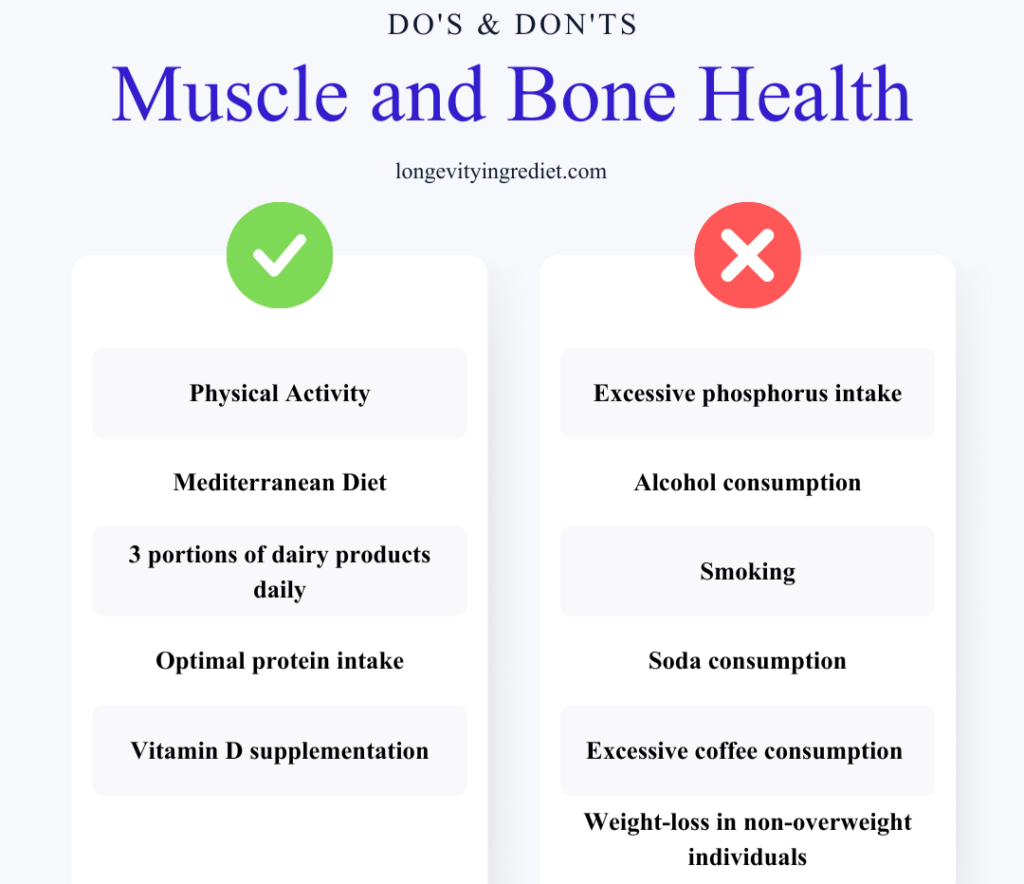
Figure 5. Do’s and Don’ts for Muscle and Bone Health

Reference

Curtis E, Litwic A, Cooper C, Dennison E. Determinants of Muscle and Bone Aging. J Cell Physiol. 2015 Nov;230(11):2618-25. doi: 10.1002/jcp.25001. PMID: 25820482; PMCID: PMC4530476.

Mikel Izquierdo, Philipe de Souto Barreto, Hidenori Arai, Heike A. Bischoff-Ferrari, Eduardo L. Cadore, Matteo Cesari, Liang-Kung Chen, Paul M. Coen, Kerry S. Courneya, Gustavo Duque, Luigi Ferrucci, Roger A. Fielding, Antonio García-Hermoso, Luis Miguel Gutiérrez-Robledo, Stephen D.R. Harridge, Ben Kirk, Stephen Kritchevsky, Francesco Landi, Norman Lazarus, Teresa Liu-Ambrose, Emanuele Marzetti, Reshma A. Merchant, John E. Morley, Kaisu H. Pitkälä, Robinson Ramírez-Vélez, Leocadio Rodriguez-Mañas, Yves Rolland, Jorge G. Ruiz, Mikel L. Sáez de Asteasu, Dennis T. Villareal, Debra L. Waters, Chang Won Won, Bruno Vellas, Maria A. Fiatarone Singh, Global consensus on optimal exercise recommendations for enhancing healthy longevity in older adults (ICFSR), The Journal of nutrition, health and aging, Volume 29, Issue 1, 2025, 100401, ISSN 1279-7707, https://doi.org/10.1016/j.jnha.2024.100401.

McLeod M, Breen L, Hamilton DL, Philp A. Live strong and prosper: the importance of skeletal muscle strength for healthy ageing. Biogerontology. 2016 Jun;17(3):497-510. doi: 10.1007/s10522-015-9631-7. Epub 2016 Jan 20. PMID: 26791164; PMCID: PMC4889643.

Bilski J, Pierzchalski P, Szczepanik M, Bonior J, Zoladz JA. Multifactorial Mechanism of Sarcopenia and Sarcopenic Obesity. Role of Physical Exercise, Microbiota and Myokines. Cells. 2022; 11(1):160. https://doi.org/10.3390/cells11010160

Rong Liang, Huabing Tan, Honglin Jin, Jincheng Wang, Zijian Tang, Xiaojie Lu, The tumour-promoting role of protein homeostasis: Implications for cancer immunotherapy, Cancer Letters, Volume 573, 2023, 216354, ISSN 0304-3835, https://doi.org/10.1016/j.canlet.2023.216354.

Tsai YL, Chuang YC, Cheng YY, Deng YL, Lin SY, Hsu CS. Low Bone Mineral Density as a Predictor of Mortality and Infections in Stroke Patients: A Hospital-Based Study. J Clin Endocrinol Metab. 2024 Nov 18;109(12):3055-3064. doi: 10.1210/clinem/dgae365. PMID: 38795366.

Wang SH, Chang CW, Chai SW, Huang TS, Soong R, Lau NC, Chien CY. Surgical intervention may provides better outcomes for hip fracture in nonagenarian patients: A retrospective observational study. Heliyon. 2024 Jan 26;10(3):e25151. doi: 10.1016/j.heliyon.2024.e25151. PMID: 38322977; PMCID: PMC10844277.

Gosset A, Pouillès JM, Trémollieres F. Menopausal hormone therapy for the management of osteoporosis. Best Pract Res Clin Endocrinol Metab. 2021 Dec;35(6):101551. doi: 10.1016/j.beem.2021.101551. Epub 2021 Jun 2. PMID: 34119418.

Michael R. McClung; JoAnn V. Pinkerton; Jennifer Blake; Felicia A. Cosman; E. Michael Lewiecki; Marla Shapiro; Management of osteoporosis in postmenopausal women: the 2021 position statement of The North American Menopause Society. Menopause. 2021 Sep 1;28(9):973-997. doi: 10.1097/GME.0000000000001831. PMID: 34448749.

Hosein-Woodley, Rasheed & Hirani, Rahim & Issani, Ali & Hussaini, Anum & Stala, Olivia & Smiley, Abbas & Etienne, Mill & Tiwari, Raj. (2024). Beyond the Surface: Uncovering Secondary Causes of Osteoporosis for Optimal Management. Biomedicines. 12. 2558. 10.3390/biomedicines12112558.

Kirk, B., Lombardi, G. & Duque, G. Bone and muscle crosstalk in ageing and disease. Nat Rev Endocrinol 21, 375–390 (2025). https://doi.org/10.1038/s41574-025-01088-x

Cailleaux PE, Déchelotte P, Coëffier M. Novel dietary strategies to manage sarcopenia. Curr Opin Clin Nutr Metab Care. 2024 May 1;27(3):234-243. doi: 10.1097/MCO.0000000000001023. Epub 2024 Feb 23. PMID: 38391396.

Quattrini S, Pampaloni B, Gronchi G, Giusti F, Brandi ML. The Mediterranean Diet in Osteoporosis Prevention: An Insight in a Peri- and Post-Menopausal Population. Nutrients. 2021 Feb 6;13(2):531. doi: 10.3390/nu13020531. PMID: 33561997; PMCID: PMC7915719.

Emmanuel Biver, Julia Herrou, Guillaume Larid, Mélanie A. Legrand, Sara Gonnelli, Cédric Annweiler, Roland Chapurlat, Véronique Coxam, Patrice Fardellone, Thierry Thomas, Jean-Michel Lecerf, Bernard Cortet, Julien Paccou, Dietary recommendations in the prevention and treatment of osteoporosis, Joint Bone Spine, Volume 90, Issue 3, 2023, 105521, ISSN 1297-319X, https://doi.org/10.1016/j.jbspin.2022.105521.

Is Calorie Restriction One of the Most Effective Anti-Ageing Methods?

Highlights:

  • CR improves cardiometabolic health markers: Well-designed studies like CALERIE 2 demonstrate that even healthy, non-obese adults can experience meaningful improvements in cardiovascular risk factors, insulin sensitivity, inflammation, and body composition through moderate calorie restriction (10–25%).

  • A modest, nutrient-dense approach appears safe: For healthy adults, a moderate calorie reduction (10–25%) combined with a highly nutritious diet—inspired by traditional Okinawan eating patterns—offers low risk and potentially significant health benefits. The key is adequate nutrition: restriction without malnutrition.

  • Optimal BMI shifts with age: The traditional “healthy” BMI range (18.5–24.9) may not apply uniformly across the lifespan. For older adults (≥65 years), BMIs in the 24–30 range are associated with lower mortality, challenging the assumption that lower is always better.

What We Mean by “Calorie Restriction”

  • Common human-trial definition (aligned with National Institutes of Health guidelines): sustained energy intake below pre-intervention requirements with adequate nutrition. This initially causes weight loss, then metabolic adaptation and a stable lower body weight (Most & Redman, 2020).
  • Flanagan et al. (2020) define calorie restriction (CR) as reducing intake below energy requirements while maintaining optimal nutrition. Diets ranging from 10–30% CR have shown beneficial effects on ageing biomarkers and healthspan in animals and humans.
  • Alternative framing: intake well below ad libitum consumption—typically ≥10% in humans and ≥20% in animals (Bales & Kraus, 2013).

Protocols, baselines, and adherence tracking differ between studies, so “CR” means different things across papers.

Practical constraints matter. Severe CR ( ≥40%) can put patients at risk of adverse physical and psychological effects (Flanagan et al., 2020). Achieving adequate nutrition alongside CR can be challenging in practice without professional guidance.

Who Should Avoid CR?

Underweight individuals, those with a history of eating disorders, and patients with sensitive medical conditions (such as during active cancer therapy) should avoid calorie restriction. It is generally contraindicated due to risks of undernutrition and interference with treatment.

Who Can Benefit from CR?

  • Overweight and obese individuals clearly benefit from energy restriction. For this group, it may be the most effective intervention to improve cardiometabolic risk and extend healthspan, assuming no contraindications.
  • CR is a cornerstone of secondary prevention for cardiovascular disease, with well-established benefits for mortality, hospital readmission, functional capacity, and quality of life (Mueller & Kim, 2025).
  • Weight loss can produce remission of type 2 diabetes in a dose-dependent manner. A weight loss of ~15 kg through calorie restriction as part of an intensive management program can lead to remission in ~80% of patients with obesity and type 2 diabetes (Magkos et al., 2020).

But the key question here is: can a healthy person with normal body weight (BMI 18.5–24.99 kg/m²) benefit from calorie restriction in terms of longevity? Can CR extend healthspan (defined as “the part of a person’s life during which they are generally in good health”)?

BMI and Age: Rethinking Optimal Weight for Longevity

Before answering that question, we need to examine how we define normal body weight—and what problems might exist concerning that definition.

The WHO defines a healthy BMI range for adults as 18.5–24.9 kg/m², primarily based on a reduced mortality risk in younger populations. However, this standard may not apply uniformly across all age groups.

Research in older adults paints a more complex picture. Winter et al. (2014) found that for adults aged 65 and older, the relationship between BMI and all-cause mortality is U-shaped, with the lowest mortality risk occurring at BMIs between 24.0 and 30.9—considerably higher than the traditional “healthy” range (Winter et al., 2014).

This finding is what Sorkin (2014) describes as “the slaying of a beautiful hypothesis by an ugly fact.” The widely held belief that lower BMI always predicts better longevity has been challenged by robust epidemiological evidence showing that optimal BMI varies substantially with age.

Key insights from this editorial include:

  • The BMI-mortality relationship is U-shaped, not linear. Both low and high BMI are associated with increased mortality, with minimal risk typically occurring at BMIs of 26–29 in older adults—substantially higher than the conventional recommendation of around 21.
  • Optimal BMI shifts upward with age. In adults ≥65 years, BMIs in the overweight or mildly obese range are often associated with lower mortality compared to the “normal” BMI range, contradicting the hypothesis that lower BMI universally promotes longevity.
  • Earlier studies advocating low BMI often failed to adequately control for confounding factors such as smoking, preexisting illness, or reverse causation (where illness causes weight loss before death).
  • Modern large-scale studies using advanced statistical methods consistently show that minimum mortality BMI increases with age and does not differ significantly between genders.

Let’s remember that BMI is a population-level tool, not a precise measure of individual health. It doesn’t account for body composition, fitness, muscle mass, or underlying health conditions—all critical factors in assessing longevity risk.

Okinawa as a Case Study (Signal, Not Proof)

Okinawa’s reputation for healthy ageing is often linked to diet, with calorie restriction (CR) being highlighted as a possible key factor.

The most detailed look at CR in Okinawa drew on fifty years of nutrition, health, and population data. From the 1950s through the 1960s, surveys and health records suggested that Okinawan adults ate roughly 11% fewer calories per day (about 1,785 kcal) than the Harris-Benedict equation would predict for maintaining body weight. They appeared to be in a mild but sustained “energy deficit.” This pattern showed up in their bodies: lower weight, shorter stature, and a lean average BMI of 21 kg/m². Most people reach their peak weight in early adulthood and stay stable until old age. All of this fits the textbook picture of long-term calorie restriction as defined by NIH experts (Willcox & Willcox, 2014).

That said, calorie restriction remains one of the most debated factors in Okinawan longevity. The likely reason for our focus on CR is that in lab animals—yeast, worms, flies, and mice—it reliably delays disease and extends both average and maximum lifespan, provided nutrition remains adequate (Xie et al., 2021)

“Calorie restriction is currently one of the most feasible and effective anti-ageing methods” (Xie et al., 2021)

While we know this to be true in laboratory settings, we cannot confirm with complete certainty that the same effects occur in humans (Willcox & Willcox, 2014).

Worth noting: the traditional Okinawan diet in the 1960s was incredibly nutrient-dense and rich in polyphenols. Other important factors likely include regular, moderate physical activity, favourable genetics, and strong community support—all contributing to a low-stress, balanced lifestyle. Among the most underestimated factors may be the psychological and philosophical dimensions.

Ikigai (literally “a reason for being”) and nagomi (usually translated as “calm” or “harmony,” but referring to a broader philosophical concept of calmness and relaxation) are central to Japanese culture, yet their meaning can feel abstract and difficult to pursue within a Western lifestyle.

For a more scientific perspective on these ideas, I recommend “Flow: The Psychology of Optimal Experience” by Mihály Csíkszentmihályi. The book explores how the flow experience—finding joy and fulfilment through complete engagement in what you are doing—can lead to a richer, more meaningful life. It’s a must-read!

With so many factors at play, it’s impossible to pinpoint which one matters most for longevity. That said, I’ll revisit this topic in the future and share more about traditional Okinawan lifestyle practices as I find them truly fascinating.

Evidence from Other Human Studies

Research in healthy, non-obese adults offers some clues. Most et al. (2018) ran a landmark trial asking whether sustained CR could improve healthspan in people who were already “healthy” and not obese. Their hypothesis: CR would reduce cardiovascular disease risk and mortality while fundamentally enhancing the quality of ageing. The most striking finding? Even subjects without obesity or high CVD risk showed significant improvements in cardiometabolic markers with CR. Those benefits appeared to stem from improved body composition rather than enhanced aerobic fitness—CR reduced fat accumulation across adipose tissue depots without improving fitness measures. Whether these improvements can prevent or delay metabolic complications later in life for non-obese individuals remains an open question.

Much of this work has used the CALERIE 2 protocol, including the Most et al. (2018) study. Another major CALERIE 2 trial (Kraus et al., 2019) randomly assigned young and middle-aged adults (21–50 years) with healthy BMIs (22.0–27.9 kg/m²) to either 25% calorie restriction or an ad libitum control diet across three U.S. clinical centres. After two years, moderate calorie restriction significantly reduced multiple cardiometabolic risk factors in these young, non-obese participants—suggesting real potential for cardiovascular health benefits when healthy individuals practice moderate CR.

A comprehensive meta-analysis by Caristia et al. (2020) pulled together eight randomised controlled trials involving 704 participants (67.9% women, 10.5% lost to follow-up). The analysis found that CR prompted favourable changes across numerous health predictors of quality ageing: anthropometric measures, body composition, energy homeostasis, oxidative stress and inflammation markers, cardiovascular disease risk, insulin sensitivity, mood, well-being, and quality of life. But the authors noted important limitations. The relatively small number of studies and short follow-up periods prevented clear conclusions about CR’s relationship with chronic disease development. Current evidence also can’t identify an optimal “golden” calorie restriction level for improving long-term cardiometabolic health across all ages and weights, particularly after the restriction regime ends.

Bottom line: we need more well-designed controlled trials with larger sample sizes, normal-weight subjects, and longer follow-ups to better understand the mechanisms underlying CR’s health effects and to establish the safety of prolonged restriction regimens.

Mechanisms by Which Calorie Restriction Promotes Health and Longevity

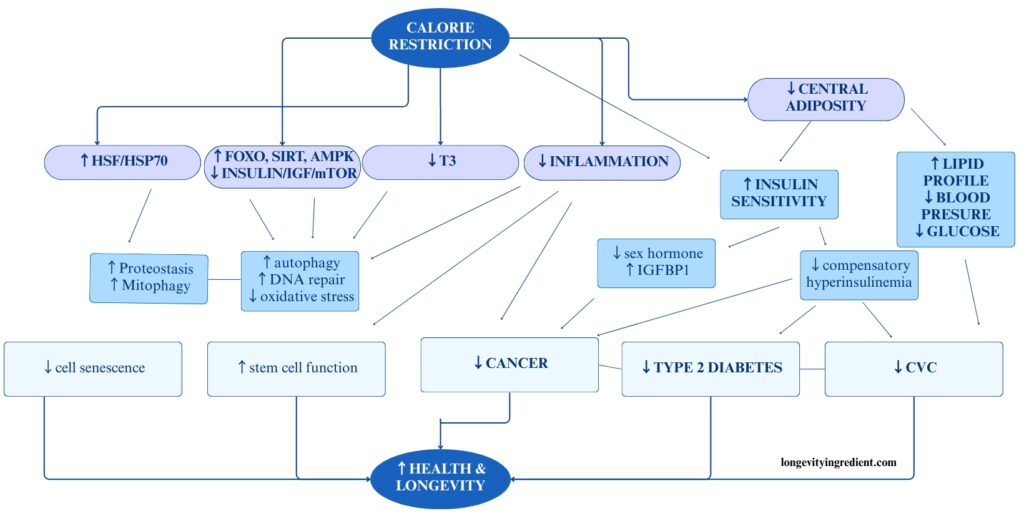
The figure below illustrates the interconnected pathways through which calorie restriction (CR) influences ageing and disease prevention. CR triggers multiple molecular cascades:

Proposed hierarchical model: pathways by which calorie restriction may influence healthspan and longevity. Based on a figure from: Most J, Tosti V, Redman LM, Fontana L. Calorie restriction in humans: An update. Ageing Res Rev. 2017 Oct;39:36-45. doi: 10.1016/j.arr.2016.08.005. Epub 2016 Aug 17. PMID: 27544442; PMCID: PMC5315691.

CR activates heat shock proteins (HSF/HSP70) that maintain protein quality and reduce cellular senescence (def. loss of a cell’s power of division and growth). It also modulates key longevity pathways by decreasing insulin/IGF-1/mTOR signalling while increasing FOXO, SIRT, and AMPK activity, leading to enhanced autophagy, DNA repair, and reduced oxidative stress. Additionally, CR reduces chronic inflammation and lowers thyroid hormone T3 levels, which decreases metabolic rate and oxidative damage.

These molecular changes produce beneficial metabolic effects: improved insulin sensitivity with reduced compensatory hyperinsulinemia, decreased central adiposity, and favourable changes in sex hormones and IGFBP1 levels. The improved central adiposity further leads to better lipid profiles, lower blood pressure, and improved glucose control.

At the bottom of the diagram, these interconnected mechanisms converge to reduce the risk of three major age-related diseases: cancer, type 2 diabetes, and cardiovascular disease. Ultimately, by reducing cellular and molecular damage, enhancing stress resistance and repair mechanisms, and maintaining metabolic homeostasis, calorie restriction promotes increased healthspan and lifespan.

Take-Home Message

Calorie restriction (CR) shows promise as a method to improve healthspan in humans, but the evidence is still evolving, and context matters significantly.

While proclaiming CR as a universal anti-ageing prescription is premature, the available evidence suggests that modest (10-25%), well-nourished calorie restriction can be a plausible and effective strategy for many healthy adults to improve healthspan-related risk factors. More research with longer follow-ups is needed to confirm these benefits and determine optimal restriction levels across different ages and populations.

References

Bales, C. W., & Kraus, W. E. (2013). Caloric restriction: Implications for human cardiometabolic health. Journal of Cardiopulmonary Rehabilitation and Prevention, 33(4), 201–208. https://doi.org/10.1097/HCR.0b013e318295019e

Caristia, S., Vito, M., Sarro, A., Leone, A., Pecere, A., Zibetti, A., Filigheddu, N., Zeppegno, P., Prodam, F., Faggiano, F., & Marzullo, P. (2020). Is caloric restriction associated with better healthy aging outcomes? A systematic review and meta-analysis of randomized controlled trials. Nutrients, 12(8), 2290. https://doi.org/10.3390/nu12082290

Flanagan, E. W., Most, J., Mey, J. T., & Redman, L. M. (2020). Calorie restriction and aging in humans. Annual Review of Nutrition, 40, 105–133. https://doi.org/10.1146/annurev-nutr-122319-034601

Kraus, W. E., Bhapkar, M., Huffman, K. M., Pieper, C. F., Das, S. K., Redman, L. M., Villareal, D. T., Rochon, J., Roberts, S. B., Ravussin, E., Holloszy, J. O., & Fontana, L. (2019). 2 years of calorie restriction and cardiometabolic risk (CALERIE): Exploratory outcomes of a multicentre, phase 2, randomised controlled trial. The Lancet Diabetes & Endocrinology, 7(9), 673–683. https://doi.org/10.1016/S2213-8587(19)30151-2

Magkos, F., Hjorth, M. F., & Astrup, A. (2020). Diet and exercise in the prevention and treatment of type 2 diabetes mellitus. Nature Reviews Endocrinology, 16(10), 545–555. https://doi.org/10.1038/s41574-020-0381-5

Most, J., & Redman, L. M. (2020). Impact of calorie restriction on energy metabolism in humans. Experimental Gerontology, 133, 110875. https://doi.org/10.1016/j.exger.2020.110875

Most, J., Gilmore, L. A., Smith, S. R., Han, H., Ravussin, E., & Redman, L. M. (2018). Significant improvement in cardiometabolic health in healthy nonobese individuals during caloric restriction-induced weight loss and weight loss maintenance. American Journal of Physiology-Endocrinology and Metabolism, 314(4), E396–E405. https://doi.org/10.1152/ajpendo.00261.2017

Most, J., Tosti, V., Redman, L. M., & Fontana, L. (2017). Calorie restriction in humans: An update. Ageing Research Reviews, 39, 36–45. https://doi.org/10.1016/j.arr.2016.08.005

Mueller, A. S., & Kim, S. M. (2025). Cardiac rehabilitation in the modern era: Evidence, equity, and evolving delivery models across the cardiovascular spectrum. Journal of Clinical Medicine, 14(15), 5573. https://doi.org/10.3390/jcm14155573

Sorkin, J. D. (2014). BMI, age, and mortality: The slaying of a beautiful hypothesis by an ugly fact. The American Journal of Clinical Nutrition, 99(4), 759–760. https://doi.org/10.3945/ajcn.113.079343

Willcox, B. J., & Willcox, D. C. (2014). Caloric restriction, caloric restriction mimetics, and healthy aging in Okinawa: Controversies and clinical implications. Current Opinion in Clinical Nutrition & Metabolic Care, 17(1), 51–58. https://doi.org/10.1097/MCO.0000000000000019

Willcox, Donald & Willcox, Bradley & Todoriki, Hidemi & Suzuki, Makoto. (2009). The Okinawan Diet: Health Implications of a Low-Calorie, Nutrient-Dense, Antioxidant-Rich Dietary Pattern Low in Glycemic Load. Journal of the American College of Nutrition. 28 Suppl. 500S-516S. 10.1080/07315724.2009.10718117.

Winter, J. E., MacInnis, R. J., Wattanapenpaiboon, N., & Nowson, C. A. (2014). BMI and all-cause mortality in older adults: A meta-analysis. The American Journal of Clinical Nutrition, 99(4), 875–890. https://doi.org/10.3945/ajcn.113.068122

Xie, S.-H., Li, H., Jiang, J.-J., Quan, Y., & Zhang, H.-Y. (2021). Multi-omics interpretation of anti-aging mechanisms for ω-3 fatty acids. Genes, 12(11), 1691. https://doi.org/10.3390/genes12111691

Is the Mediterranean Diet an Ultimate Longevity Protocol?

The Mediterranean Diet (MedDiet) is one of the world’s most important and well-researched eating patterns. It’s more than just a healthy way of eating – it’s so special that in 2010, UNESCO named it an important part of humanity’s intangible cultural heritage. This recognition shows that it’s not just a collection of healthy foods but a cultural archetype encompassing food selection, processing, and distribution methods (Dominguez, 2021).

What is the Mediterranean Diet?

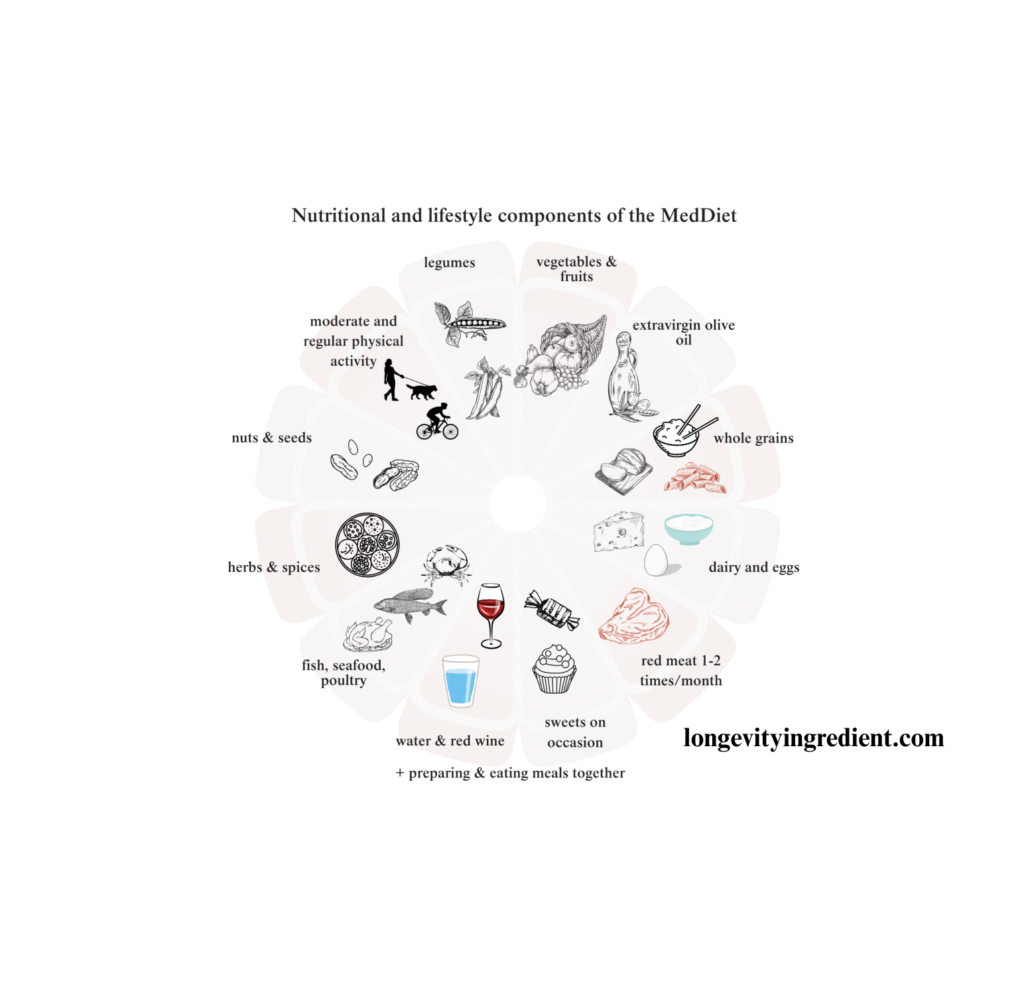
The Mediterranean Diet combines health and pleasure. Fresh vegetables and fruits are at its heart, complemented by wholesome grains and protein-rich legumes. The star of the show is extra virgin olive oil, lending its golden touch to both cooking and seasoning.

This diet celebrates the bounty of the sea with regular servings of fish and seafood while treating meat as an occasional treat rather than a daily necessity. Dairy appears in modest portions, mainly as yoghurt and carefully selected cheeses. Nature’s candy – fresh fruit – takes centre stage for dessert, making sugary treats a rare indulgence.

But the Mediterranean lifestyle extends beyond the plate. It’s about savouring each moment: cooking with aromatic herbs and spices, sharing meals with loved ones, and embracing the rhythm of life through daily physical activity. Even rest is elevated to an art form, with the traditional siesta offering a peaceful midday pause.

This approach to eating and living emphasizes a deep connection with nature, favouring locally sourced, minimally processed foods. Wine, when consumed, is treated not as a mere beverage but as part of the meal’s social fabric, enjoyed in moderation and always alongside food. (Dominguez, 2021).

In academic settings, baseline adherence to the Mediterranean diet can be measured by the MEDAS (Mediterranean Diet Adherence Screener), which is a 14-point scoring system. This screener includes specific criteria for scoring points based on various dietary habits.

This particular screener comes from the publication of Schroder et al., 2011.

MEDAS (Mediterranean Diet Adherence Screener)Criteria for 1 point
Do you use olive oil as the principal source of fat for cooking?Yes
How much olive oil do you consume per day (including that used in frying, salads, meals eaten away from home, etc.)?≥4 tablespoons
How many servings of vegetables do you consume per day? Count garnish and side servings as 1/2 point; a full serving is 200 g.≥2
How many pieces of fruit (including fresh-squeezed juice) do you consume per day?≥3
How many servings of red meat, hamburger, or sausages do you consume per day? A full serving is 100–150 g.<1
How many servings (12 g) of butter, margarine, or cream do you consume per day?<1
How many carbonated and/or sugar-sweetened beverages do you consume per day?<1
Do you drink wine? How much do you consume per week?≥7 cups
How many servings (150 g) of pulses do you consume per week?≥3
How many servings of fish/seafood do you consume per week? (100–150 g of fish, 4–5 pieces or 200 g of seafood)≥3
How many times do you consume commercial (not homemade) pastry such as cookies or cake per week?<2
How many times do you consume nuts per week? (1 serving = 30 g)≥3
Do you prefer to eat chicken, turkey or rabbit instead of beef, pork, hamburgers, or sausages?Yes
How many times per week do you consume boiled vegetables, pasta, rice, or other dishes with a sauce of tomato, garlic, onion, or leeks sauted in olive oil (so called “soffrrito”)?≥2

MEDAS scores range from 0-14 points total. The scores indicate different levels of Mediterranean Diet adherence: scores of 5 or less show low adherence, scores between 6-9 show moderate adherence, and scores of 10 or higher show strong adherence (García-Conesa 2020).

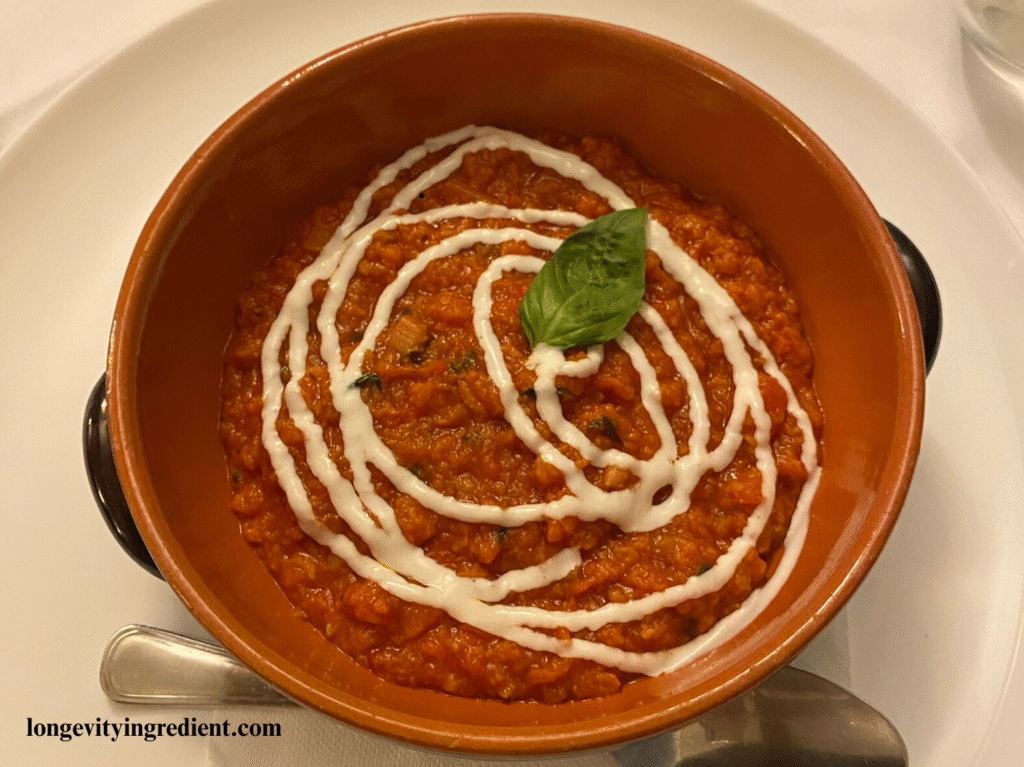
Tomato soup (Italian: Tuscan Pappa al Pomodoro)

Mechanisms Behind the Benefits

One key mechanism explaining the MedDiet’s benefits involves the gut microbiota, which has emerged as a crucial player in the diet-health relationship through metabolites derived from microbial fermentation of nutrients, particularly short-chain fatty acids (Dominguez, 2021).

Research shows that looking at specific nutrients helps us understand healthy diets.

Dark-colored vegetables and fruits contain powerful anti-inflammatory and antioxidant compounds. These compounds appear in many different diets and may help explain why certain foods promote better health as we age (Hsiao & Chen 2022).

Polyphenols play a significant role in the diet’s effectiveness. In a Mediterranean cohort from Catania, Italy, the mean polyphenol intake was high (663.7 mg/d), with major sources including nuts, tea, coffee, fruits (especially cherries and citrus), vegetables (particularly artichokes and olives), chocolate, red wine, and pasta. Additionally, the PREDIMED trial demonstrated that a high intake of total polyphenols, especially stilbenes and lignans, was associated with reduced mortality risk. The distinguishing factor in PREDIMED participants was their consumption of polyphenols from olives and olive oil (Dominguez, 2021).

Impact on Mortality & Biological Ageing

Research consistently shows that increased adherence to the Mediterranean Diet pattern correlates with reduced total and cause-specific mortality. A comprehensive meta-analysis of 29 prospective observational studies, involving over 1.67 million participants, revealed a 10% reduction in all-cause mortality for every two-point increase in MedDiet adherence. The effect was even stronger among Mediterranean residents compared to non-Mediterranean populations (hazard ratios of 0.82 and 0.92, respectively) (Barber, 2023).

The diet’s impact on longevity is supported by biological evidence. Studies have shown that adherence to the Mediterranean Diet is associated with longer telomere length, suggesting it may also slow the biological ageing process (Barber, 2023).

Blue Zones: A Global Perspective on Longevity

The Blue Zones, areas with unusually high concentrations of centenarians, provide valuable insights into dietary patterns and longevity. These regions include Okinawa (Japan), Ikaria (Greece), parts of Sardinia (Italy), and the Nicoya Peninsula (Costa Rica) (Pes, 2022).

Dan Buettner, a National Geographic journalist, is credited with the concept of Blue Zones. In addition to the four locations mentioned above, a fifth one has been established: Loma Linda, California (United States of America) (Tan 2024).

These populations have been rigorously validated through death certificates and social security records. Interestingly, the dietary patterns across Blue Zones show remarkable diversity. Even within Mediterranean Blue Zones, there are significant deviations from the classical Mediterranean Diet (Pes, 2022).

Beyond Diet: A Complex Picture

The relationship between diet and longevity is more complex than often portrayed. In Sardinia’s Blue Zone, for example, potentially negative effects of a diet high in saturated fats and potato-derived starch were likely offset by the intense daily physical activity of their pastoral lifestyle. Additionally, genetic factors present in Blue Zone populations may have diminished the relative importance of diet in their exceptional longevity (Pes, 2022).

Recent research suggests that hybrid approaches might be beneficial. For instance, the Mediterranean-styled Japanese diet combines elements from both traditions, focusing on vegetables, beans, and fish while incorporating specific elements from both cultures. This fusion demonstrates how different healthy eating patterns can be adapted and combined (Santa, 2022).

Why the Mediterranean Diet Isn’t the Ultimate Protocol

While the Mediterranean Diet has proven benefits, calling it the “ultimate” longevity protocol would be an oversimplification. The evidence from Blue Zones shows that different dietary patterns can promote longevity when adapted to local contexts and individual needs. The success of any dietary pattern depends heavily on its interaction with lifestyle factors, genetics, and environmental conditions (Pes, 2022).

Furthermore, research on the transferability and effectiveness of the Mediterranean Diet in non-Mediterranean populations requires further investigation (Dominguez, 2021). What works in one population or region may not work equally well in another.

Conclusion: A Holistic Approach to Longevity

Medicine should aim not merely at life’s prolongation but at promoting old age while avoiding multimorbidity and disability as much as possible (Dominguez, 2021). The Mediterranean Diet can certainly be an excellent longevity protocol, but it’s just one component of a complex system that influences healthy ageing.

The key to understanding longevity lies in recognizing that dietary patterns are largely affected by culture, ethnicity, geographical locations, and cooking methods. As we continue to explore the fascinating field of longevity, we must consider diet as part of a broader lifestyle approach that includes physical activity, genetic factors, and various other elements that contribute to a long, healthy life.

Reference

Impact of Mediterranean Diet on Chronic Non-Communicable Diseases and Longevity (Dominguez et al., 2021) doi: 10.3390/nu13062028

A Short Screener Is Valid for Assessing Mediterranean Diet Adherence among Older Spanish Men and Women (Schroder et al., 2011) doi: 10.3945/jn.110.135566

Exploring the Validity of the 14-Item Mediterranean Diet Adherence Screener (MEDAS): A Cross-National Study in Seven European Countries around the Mediterranean Region (García-Conesa et al., 2020) doi: 10.3390/nu12102960

What constitutes healthy diet in healthy longevity (Hsiao & Chen 2022) doi: 10.1016/j.archger.2022.104761

The Effects of the Mediterranean Diet on Health and Gut Microbiota (Barber et al., 2023) doi: 10.3390/nu15092150

The Recommendation of the Mediterranean-styled Japanese Diet for Healthy Longevity (Santa et al., 2022) doi: 10.2174/0118715303280097240130072031

Diet and longevity in the Blue Zones: A set-and-forget issue? (Pes et al., 2022) doi: 10.1016/j.maturitas.2022.06.004

Navigating the Healthcare Conundrum: Leadership Perspective from a Premier Healthcare Organization in Loma Linda’s Blue Zone (Tan et al., 2024) doi: 10.2147/JHL.S452188